
Bahr El Ghazal Basin Project
Project Description:
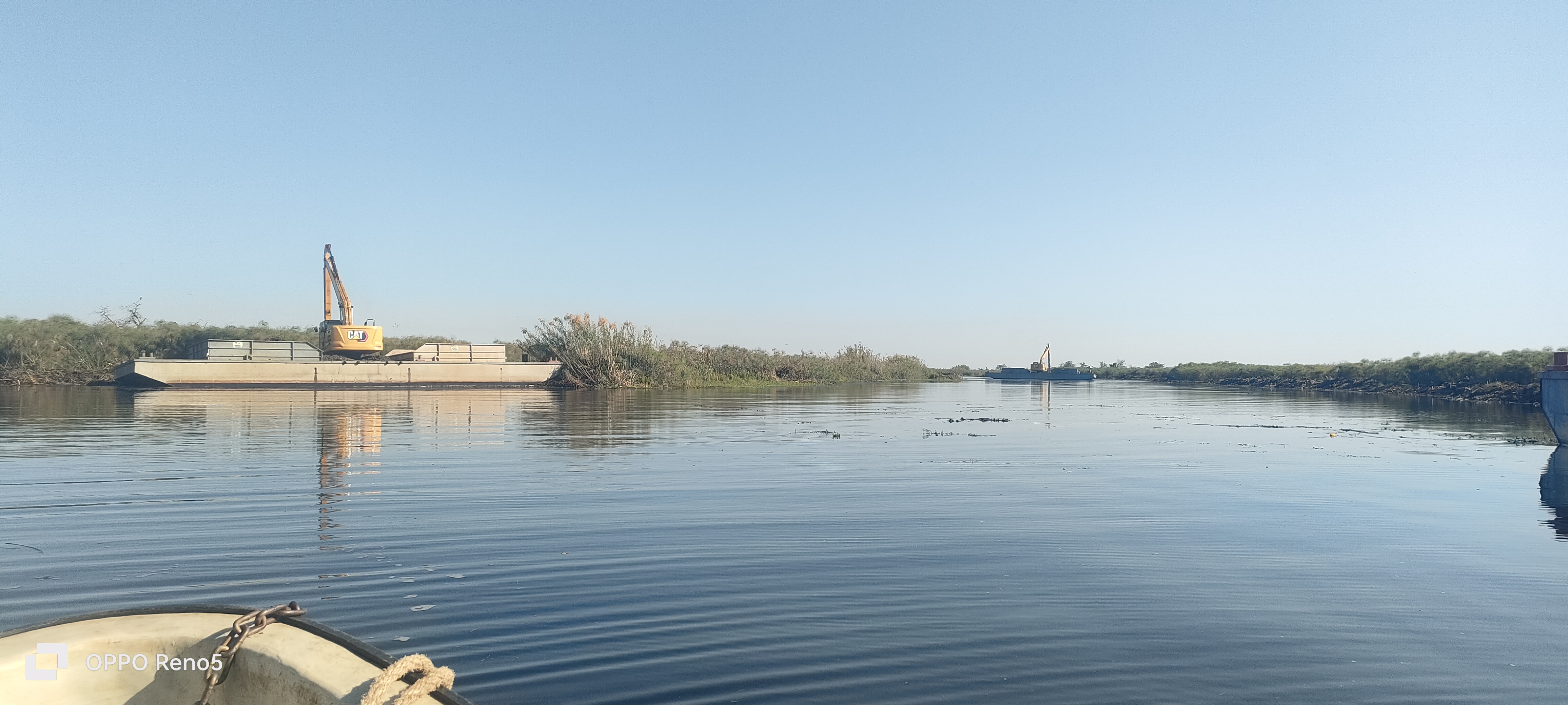
- According to the request of the Government of South Sudan to facilitate navigation in the waterways and reduce flood risks in the Bahr El Ghazal region, a memorandum of understanding for the project works was signed in October 2021 to begin cleaning and removing aquatic weeds in Bahr El Ghazal from Bentiu to Lake’ No’, especially in the first 30 kilometers from the city of Bentiu towards Lake ‘No’.
The objective of the project is to remove the large mass of aquatic weeds that have overrun the Bahr El Ghazal River over the past decade, to keep all water bodies free of these weeds, and to prevent new infestations.
Project Objectives:
- Removal of weeds and reduction of flood risks (improving the hydraulic efficiency of the river)
- Operation of river navigation traffic
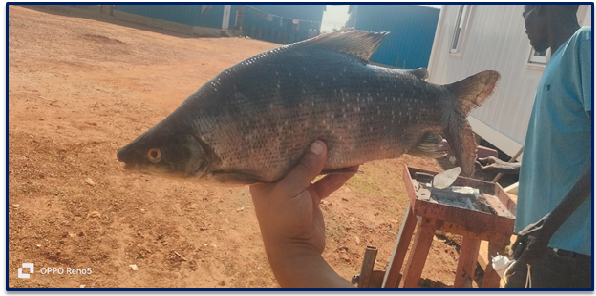
- Facilitation of fishing operations and utilization of fish resources
- Reduction of population migration as a result of floods
- Reduction of human diseases
- Improvement of water quality
The situation before the start of project implementation :
- Aquatic weeds cover 85% of the channel width; these are weeds with strong, sometimes fixed roots on the sides of the channel, and in some cases floating weeds in the middle of the waterway, and in some areas along the channel.
- The weeds move in the form of semi-floating islands, leading to channel blockage, thus preventing navigation in most areas, causing floods, drowning of villages and towns, displacement of thousands, and loss of property.
- All types of weeds cause inability to fish and result in the loss of enormous fish wealth due to water stagnation in the channel.
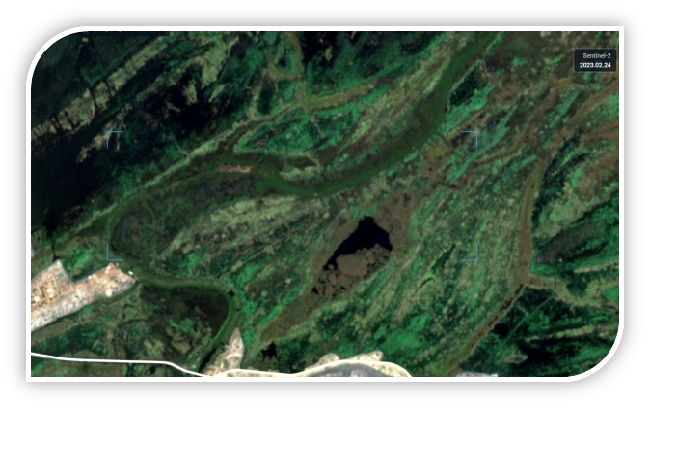
Status of aquatic weeds in Bahr El Ghazal before the start of the project – February 2023 :
- The average width of the channel in the Bahr El Ghazal Basin is about 100 meters, where it is planned to clear a width of 50 meters to facilitate river navigation and to connect the cities and villages overlooking the basin with cities and states of South Sudan by river.
Impact of the clearings on the area during the 2025 flood season (September 2025)
The following images show a realistic comparison between the situation before the project and the positive impact of the project after its implementation.
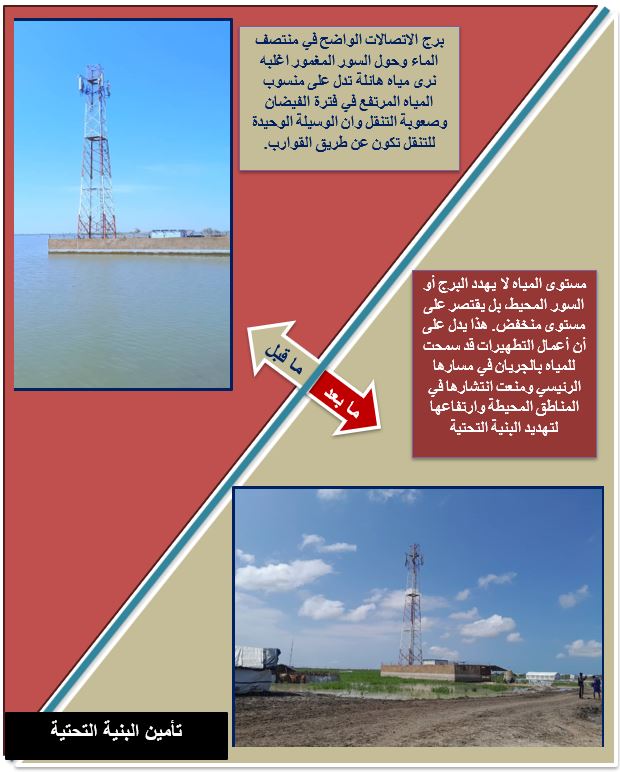
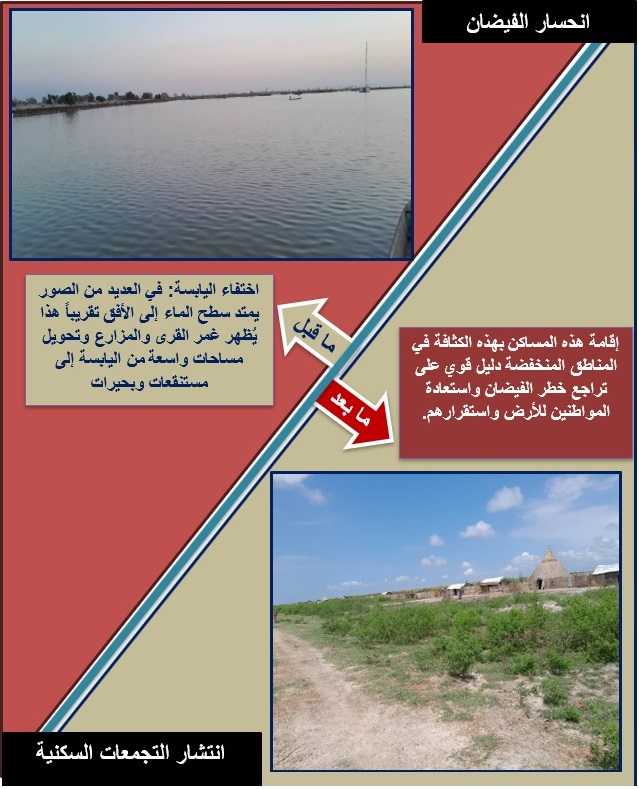
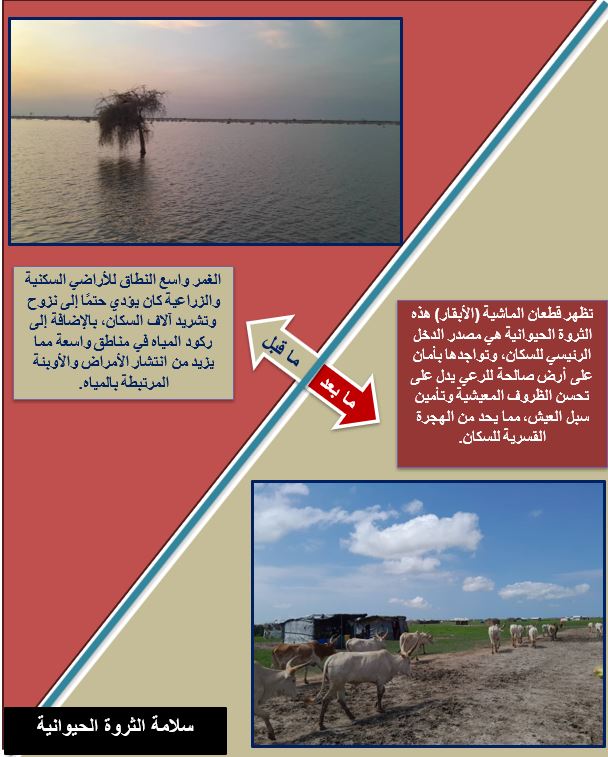
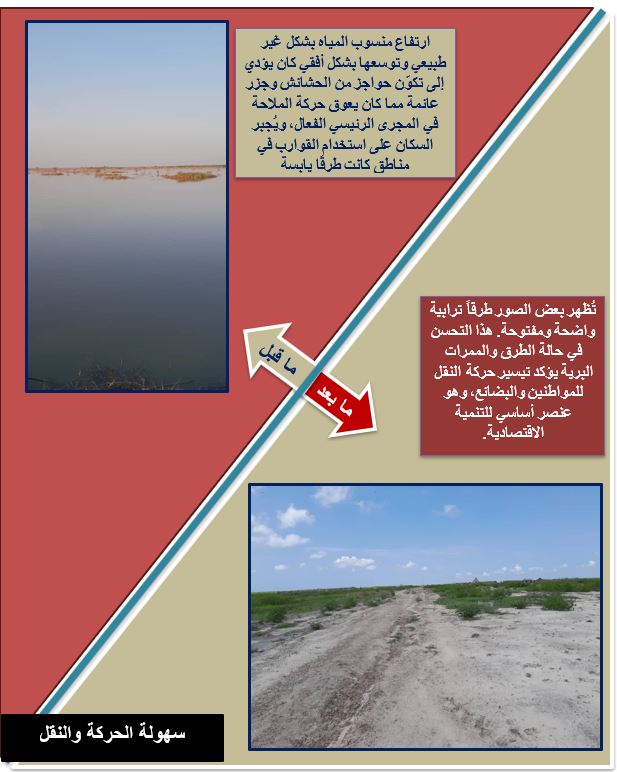
The achievements realized after the implementation of the project up to now include:
Removal of weeds and reduction of flood risks
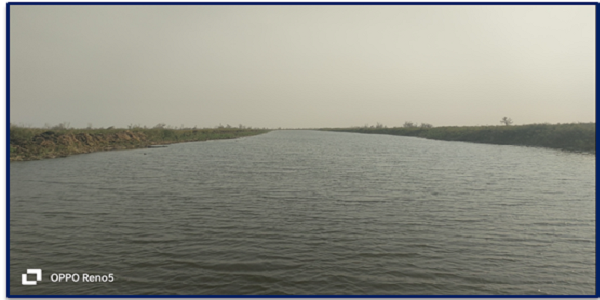
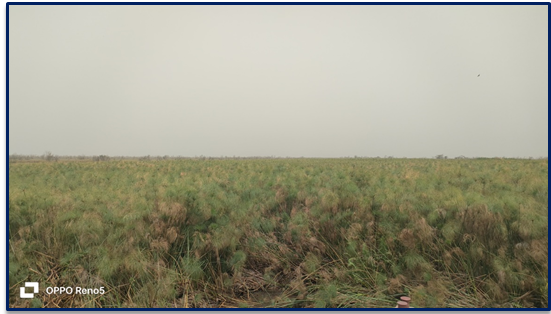
Reduction of flood risks
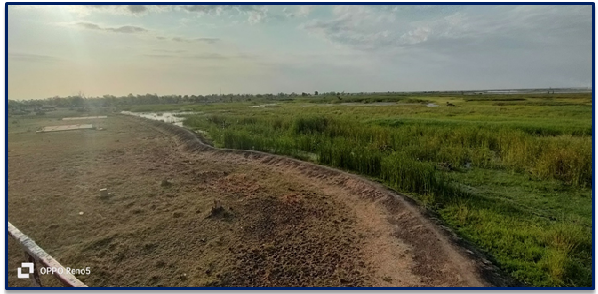
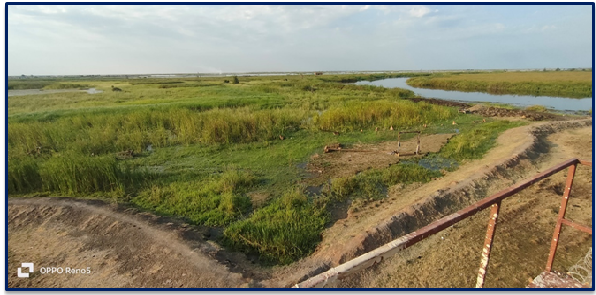
Operation of river navigation traffic
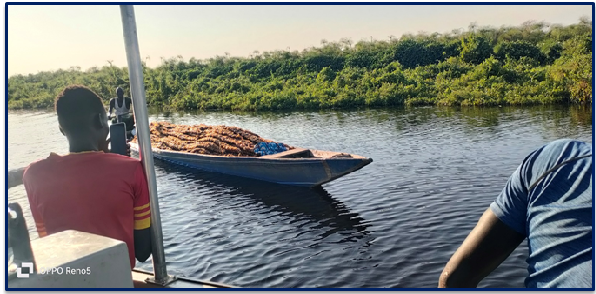
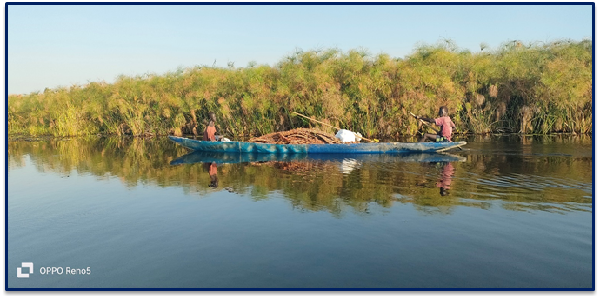
Facilitation of fishing operations and utilization of fish resources
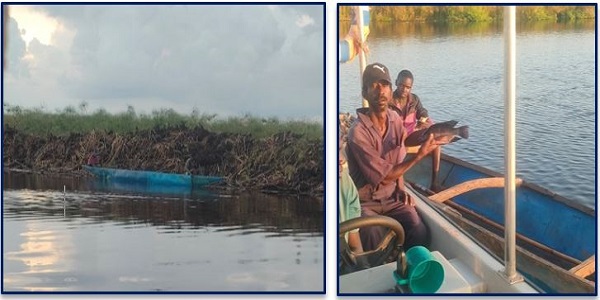
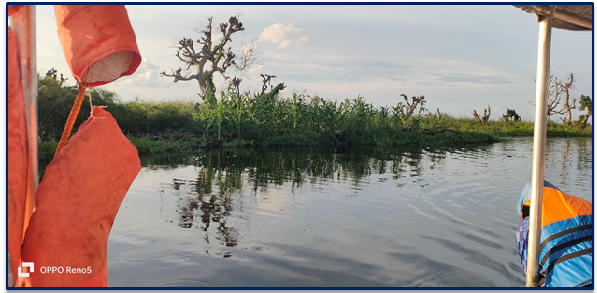
Reduction of population migration due to floods
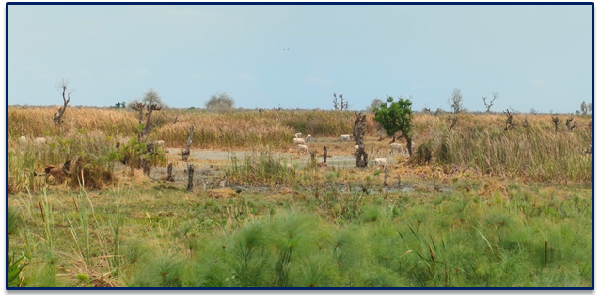
Positive Environmental Impact of the Bahr El Ghazal Waterway Clearing Project
Reduction of floods and land reclamation
- Reduction of swamp and stagnation areas: The dense aquatic weeds used to cause channel blockage and impede water flow, leading to floods and inundation of vast areas of land, turning them into stagnant swamps.
- Restoration of land biodiversity: Through draining excess water and confining it to the channel, dry lands are reclaimed, allowing the return of plants and animals that live in dry or semi-dry environments instead of the dominance of parasitic aquatic swamp environments.
Improvement of water quality and public health
- Water renewal and pollution prevention: Stagnation resulting from blockage increases water pollution and the proliferation of bacteria and decomposing organic matter. Clearing helps increase water flow velocity and renewal, thereby limiting this pollution and improving water quality overall.
- Reduction of diseases: Blocked and stagnant waterways are ideal environments for the breeding of harmful insects and disease vectors such as mosquitoes (which cause malaria). Clearing contributes to lowering disease and epidemic rates by eliminating breeding sites for these insects.
Support for healthy aquatic life
- Support for fish resources: The dense weeds used to hinder fishermen’s ability to work, and water stagnation harms the aquatic environment. Improving water flow and clearing the channel helps fishermen return and sustains fish resources by providing a healthy environment for fish growth.
- Regulation of the river ecosystem: Ensuring water flow in an open and highly efficient channel maintains the hydrological balance of the area and ensures a regular flow for the river ecosystem.