
Water Facilities Rehabilitation Project
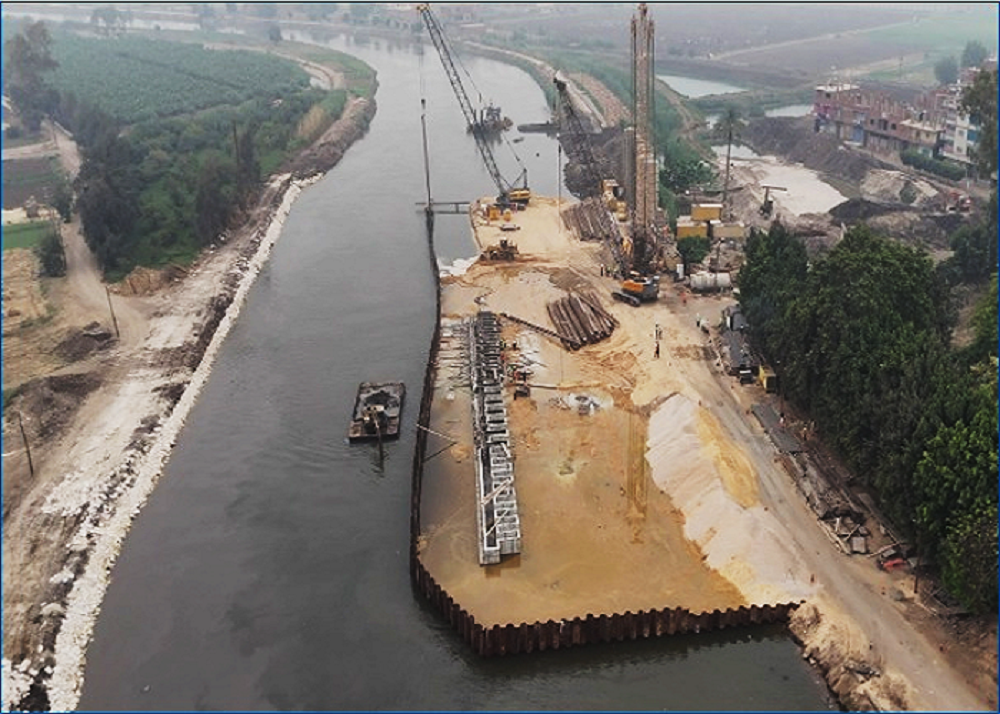
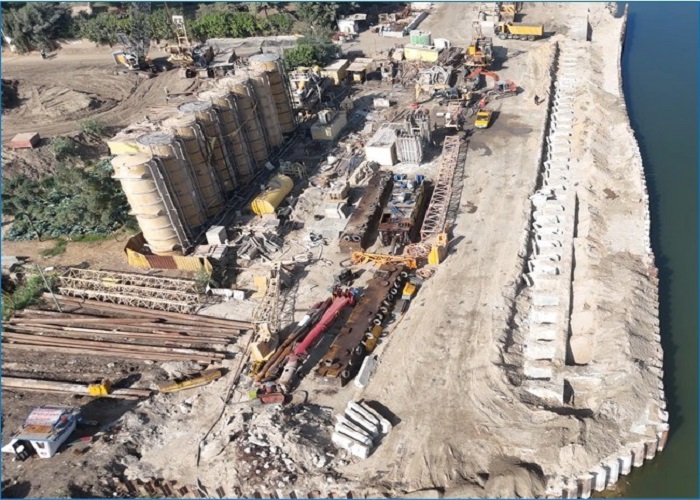
– The Rehabilitation of Water Facilities Project is one of the pillars of the second generation of the Irrigation System 2.0, which focuses on implementing comprehensive rehabilitation programs for water structures with the aim of improving the operational and structural efficiency of existing water facilities while ensuring their safety and developing the water distribution system by enhancing the operating efficiency of flow control structures and gates.
– This ensures fair and efficient water delivery to all beneficiaries, ultimately achieving the sustainability of the irrigation and drainage network across the Republic, in line with the objectives of Egypt Vision 2030 and the Ministry of Water Resources and Irrigation’s Water Strategy 2050 in all its dimensions.
General objectives of the project:
• Implementing comprehensive rehabilitation programs for water structures across the Republic.
• Improving the operational efficiency of existing water structures.
• Ensuring the structural and operational safety of the facilities.
• Contributing to the development of the water distribution system by enhancing the operating efficiency of flow control structures and gates.
Project work pillars:
A ministerial decree No. 120 dated March 16, 2024, was issued to establish the project unit. The project work is based on 3 main pillars:
1. Inspection and verification of the condition of water structures for 3283 facilities previously identified as being in poor condition out of 54 thousand facilities in the geographic database of the Strategic Management Sector. The verification process is carried out in three phases through members of the governorate committees, totaling 18 committees. This is to determine the actual current condition of the facilities and inventory those requiring replacement and renewal.
2. Design of the facilities required for replacement, in coordination between the project’s Design Department and the consultant contracted for the bridges and culverts resulting from the first phase verification. The project’s Design Department is responsible for designing the siphons, canal tail ends, outlets, and barrages.
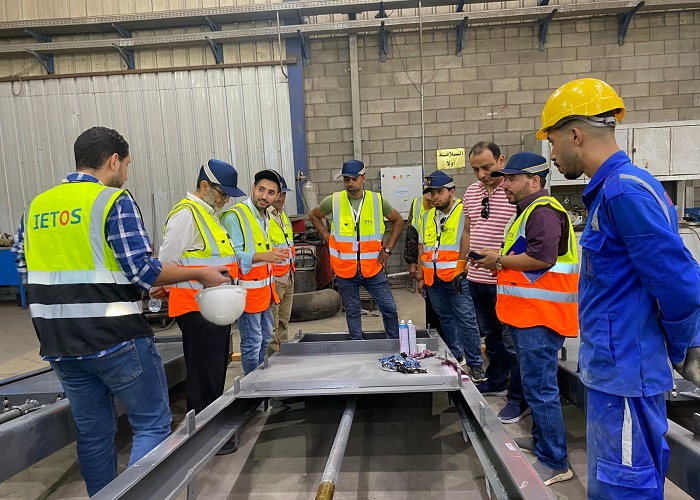
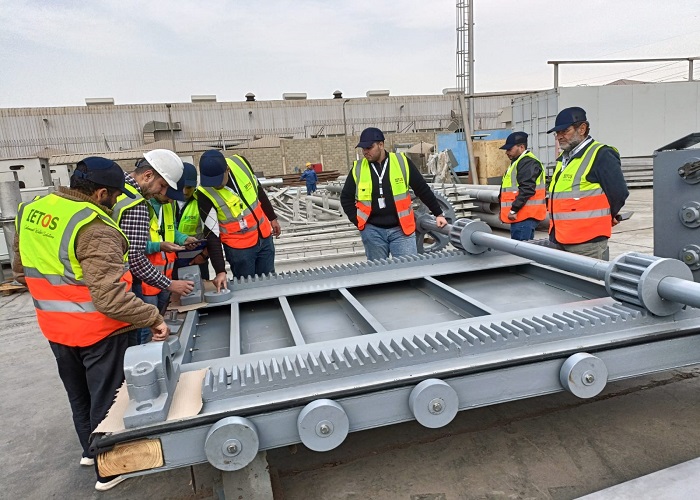
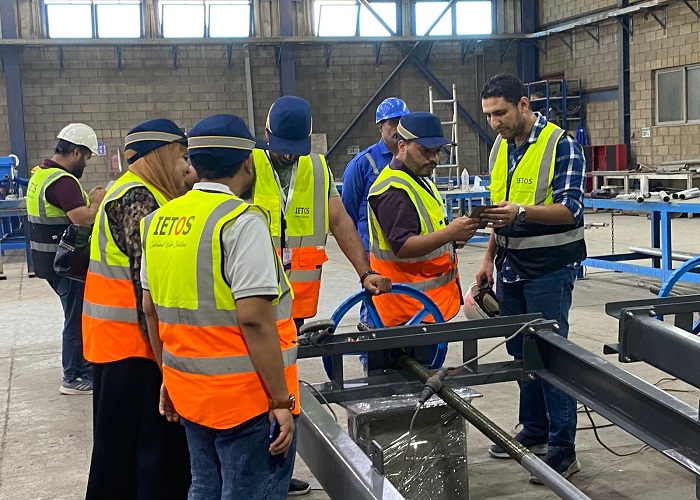
3. Execution of replacement and renewal works through a cooperation protocol with the implementing entity, in coordination with the project’s Quality Control Department, with full commitment to technical and standard specifications, quality control works, and occupational health and safety during implementation according to the specified time schedules, to ensure the targeted benefit from these works in accordance with the established plan, with governorate follow-up committees assigned to monitor quality control and occupational safety works.
Current status of the project:
• A distinguished group of Ministry engineers has been trained as committee members in all governorates, totaling 18 committees, to verify the evaluation of water structures for 3283 facilities in three phases according to priority using unified evaluation forms, with evaluation works linked to the Ministry’s geographic database of water structures. The first and second phases have been completed, evaluating 1067 facilities, and work is currently underway on the third evaluation phase.
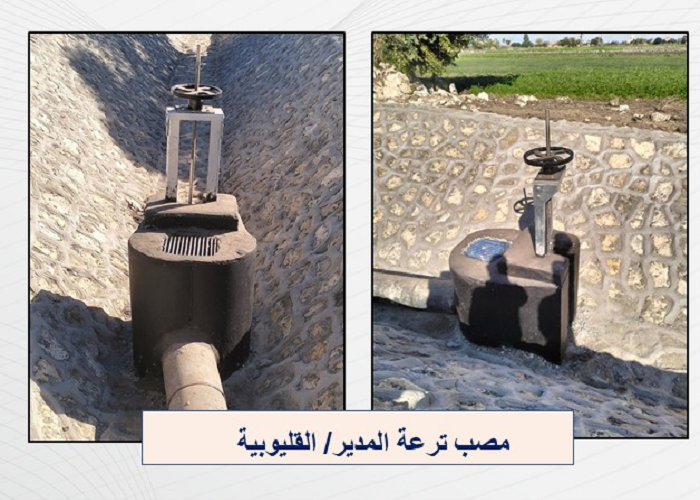
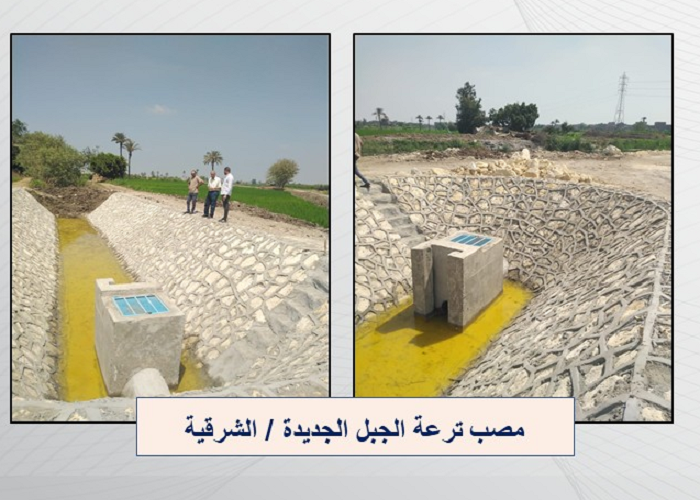
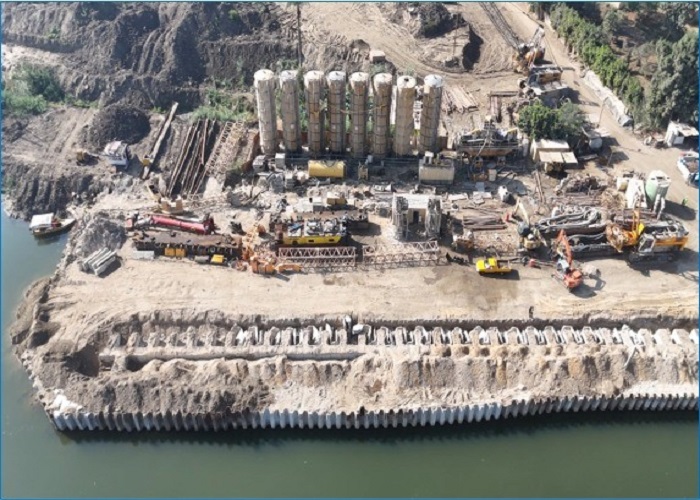
• As a result of the first and second evaluation phases, approximately 522 facilities (gates – tail end outlets -culverts – bridges – barrages) were found to require replacement and renewal. Based on this, contracts have been signed for the replacement of 414 facilities (1 Bahr Moise barrage -25 culverts – 9 bridges – 4 siphons -246 gates – 129 outlets), and implementation is ongoing. Contracts for the replacement of 108 facilities are also in progress. Currently, tender documents are being prepared for 122 facilities.
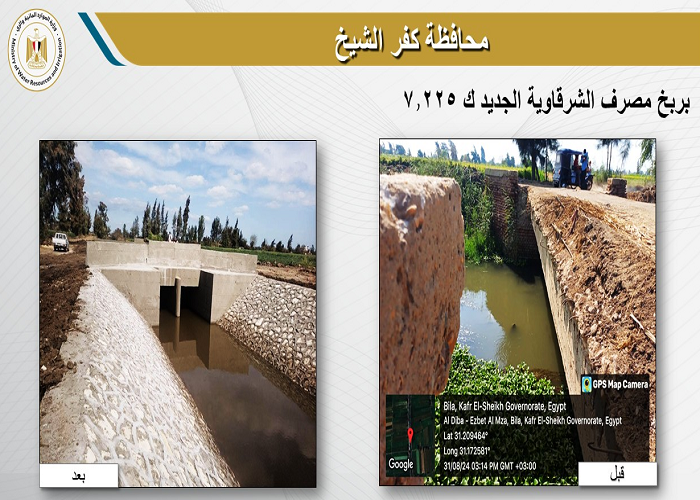
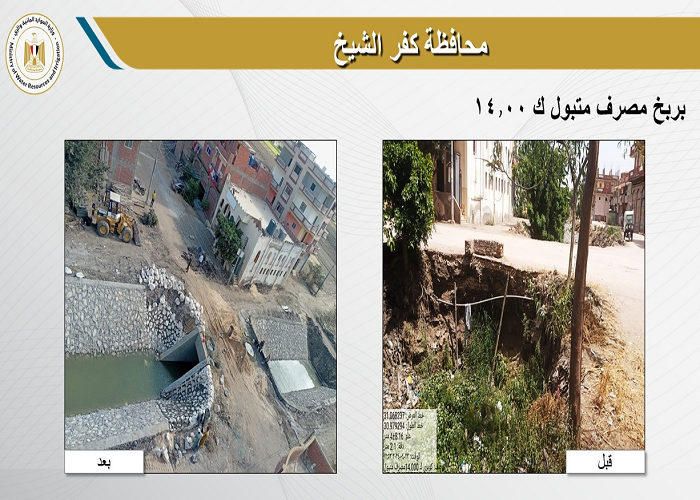
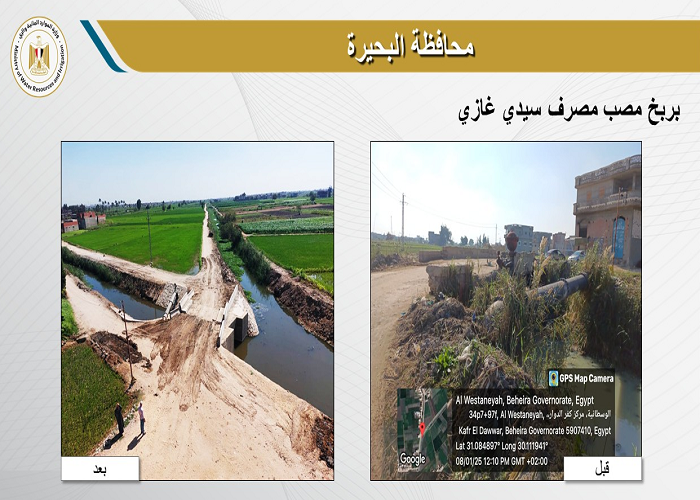
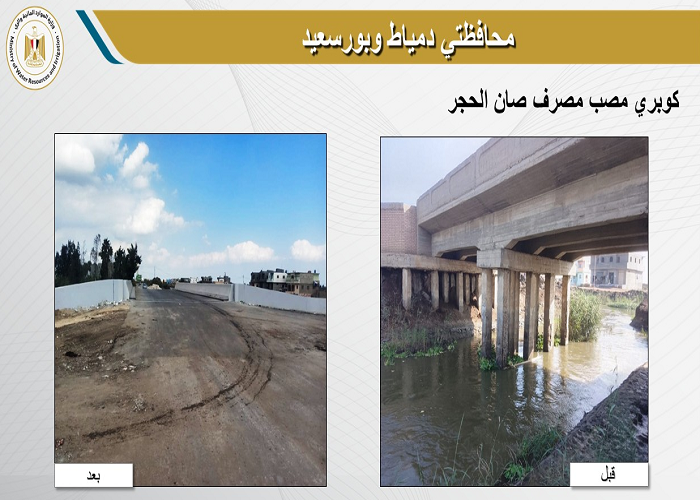
• The implementation of 16 culverts has been completed in the governorates of (Kafr El-Sheikh – Alexandria – Beheira – Giza – Monofiya – Aswan), along with a number of gates and outlets.
• Tender documents are currently being prepared for the procurement of consulting services for the design of facilities in the second and third verification phases.