
Bahr El-Baqar Treatment Plant Project
(Development of Central and North Sinai to Complete the Reclamation of 456 thousand Feddans)
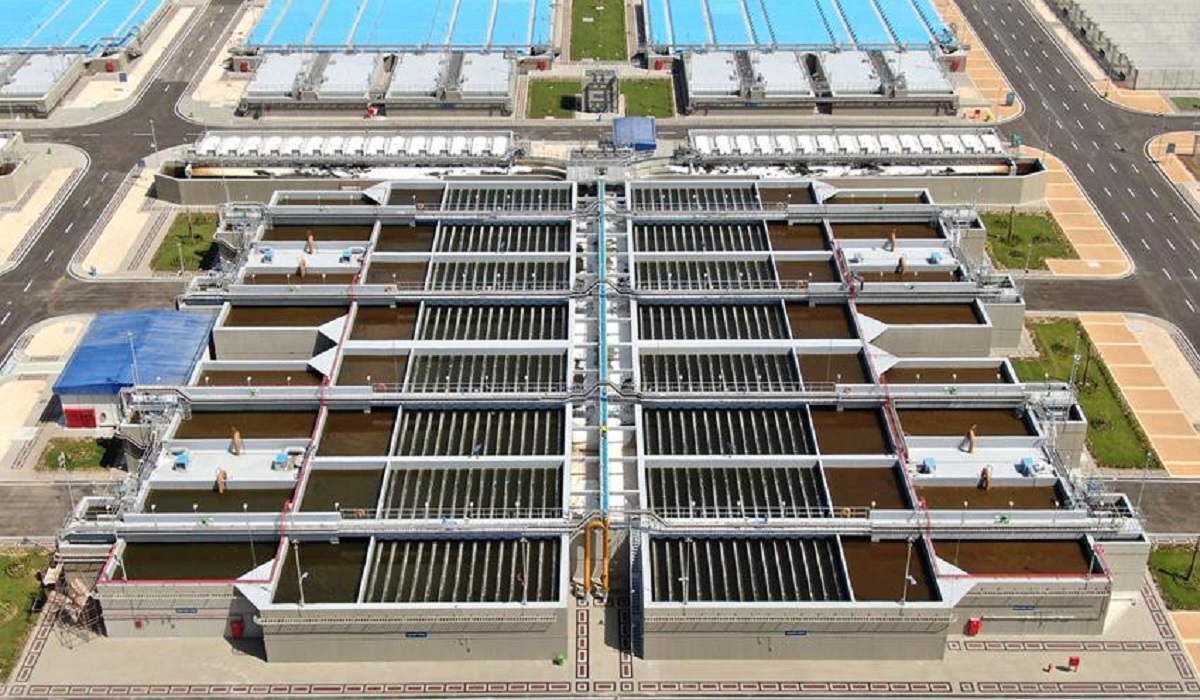
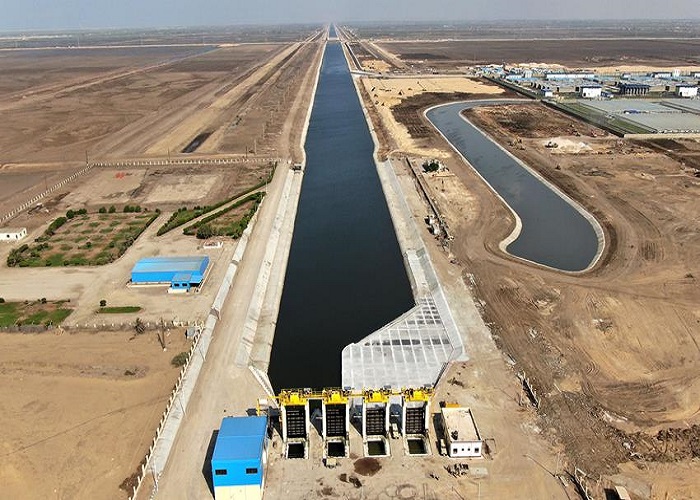
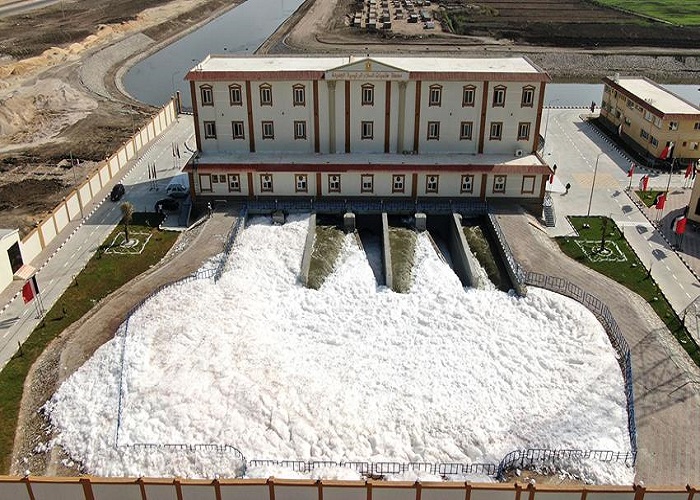
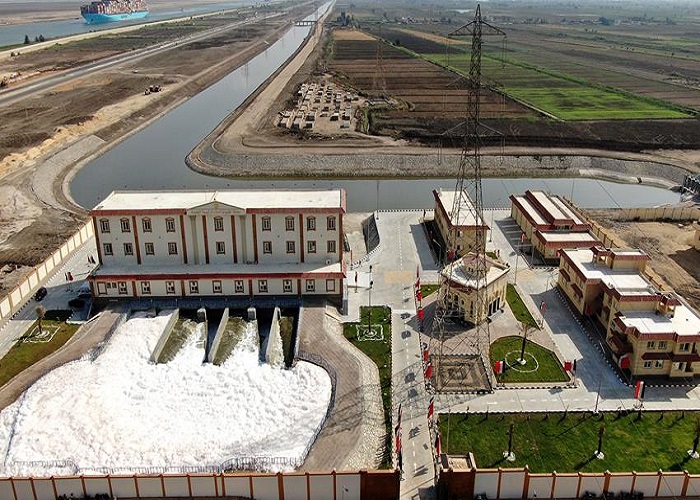
The project consists of 17 pumping stations aimed at transporting treated sanitary, agricultural, and municipal wastewater from the station to the reclamation areas in Sinai (specifically the areas east of the Suez Canal). The station itself is the *largest in the world* in this field.
Environmental Impacts:
- Previously, part of the Bahr El-Baqar drain water (amounting to 5.6 million m³/day) was discharged directly into Lake Manzala and the Mediterranean Sea. Treating this water and reusing it ends this pollution, leading to the restoration of Lake Manzala’s ecosystem and improving water quality along the coasts.
- Providing high-quality treated water for land reclamation in Sinai enhances agricultural development without harming traditional water resources or the desert environment.
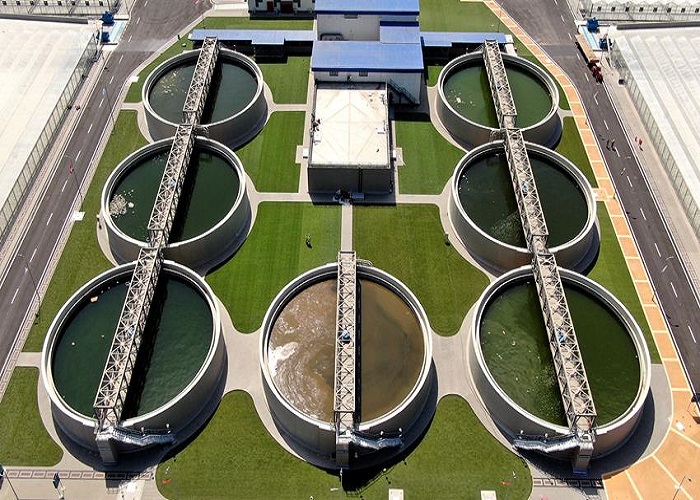
- Safe and environmentally sound handling of sludge resulting from the treatment process at the Bahr El-Baqar station requires advanced technologies, achieving agricultural resilience.
Economic Impacts:
- Transforming wasted and polluted water into a productive economic resource provides 5.6 million m³/day to feed large-scale reclamation projects in Sinai.
- Promoting comprehensive development of the Sinai Peninsula through sustainable water supply, which opens the door to agricultural and industrial investments in the peninsula.
- Agricultural production in Sinai significantly contributes to increasing local output of strategic and export crops, supporting the stability of the national economy.
Social Impacts:
- Providing sustainable job opportunities and agricultural development in Sinai supports development and settlement plans and creates new urban and service communities east of the Suez Canal.
- Improving public health: Ending the pollution of Lake Manzala dramatically improves the environment for local residents (in Port Said, Sharqia, and Dakahlia) and reduces diseases associated with water and environmental pollution.
- Empowering local communities: Providing job opportunities for Sinai residents and neighboring governorates contributes to economic and social empowerment.
- Water awareness: The project enhances awareness of the importance of water reuse and that it is a resource that should not be wasted, thereby changing societal behavior toward water resources.
Climate Adaptation:
- Core Adaptation: The project is a model for adapting to water scarcity resulting from climate change. Relying on non-conventional (treated) water to secure 5.6 million m³/day reduces pressure on Egypt’s share of Nile water.
- Combating sea level rise and restoring Lake Manzala’s ecosystem supports the coastline, potentially reducing the vulnerability of low-lying areas to rising sea levels.
- Agricultural resilience: Providing a guaranteed and stable water source for agriculture in Sinai increases the resilience of the Egyptian food system in the face of extreme climate phenomena.