
Protection of Egyptian Beaches
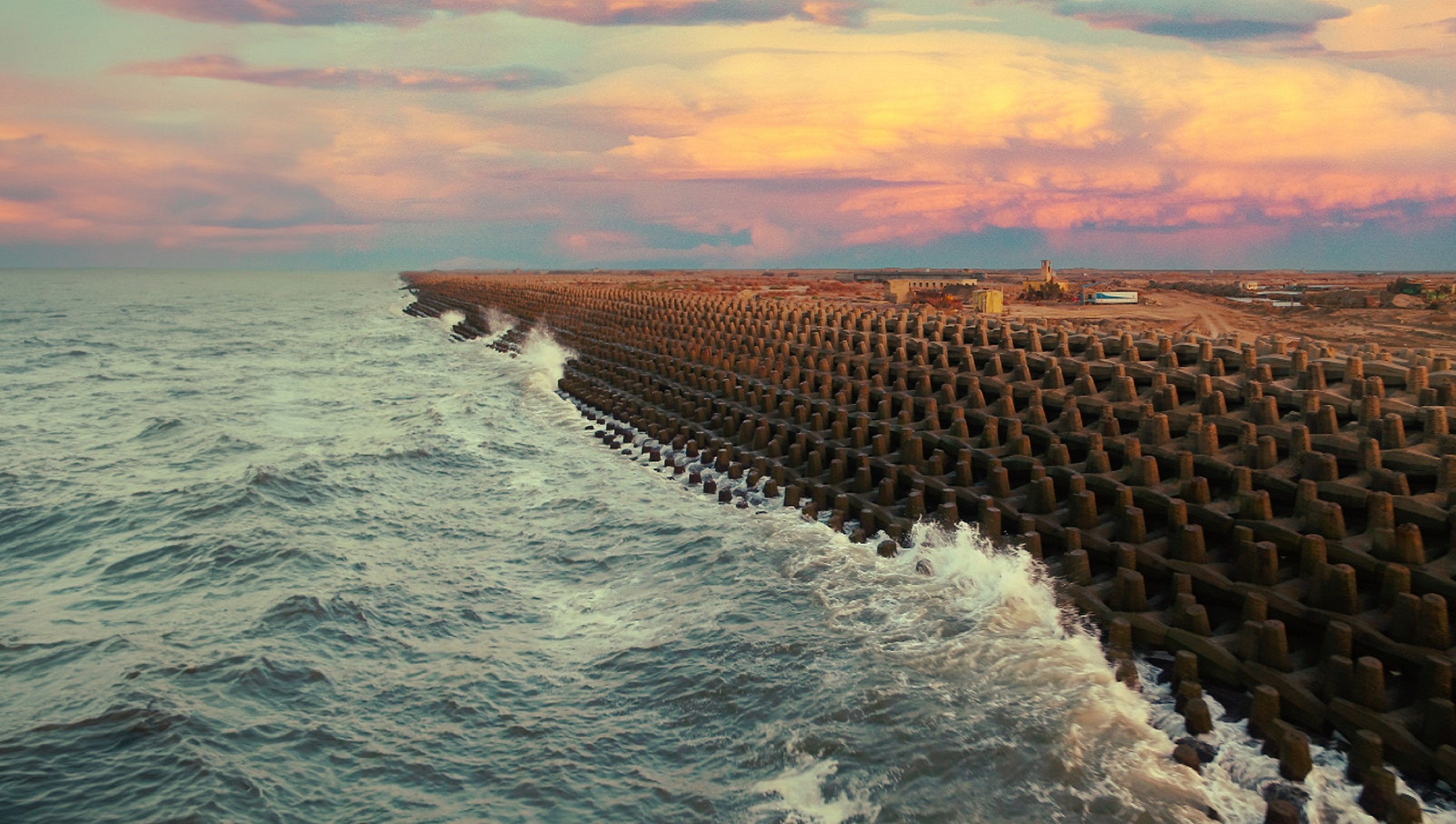
The northern coastal region of the Nile Delta is one of the areas most affected worldwide by sea level rise resulting from global warming. The natural resources in this area, such as water, agricultural lands, livestock, and fisheries, are at risk, in addition to other environmental problems such as coastal storms, beach erosion, and salinization of agricultural lands and groundwater in the northern Delta.
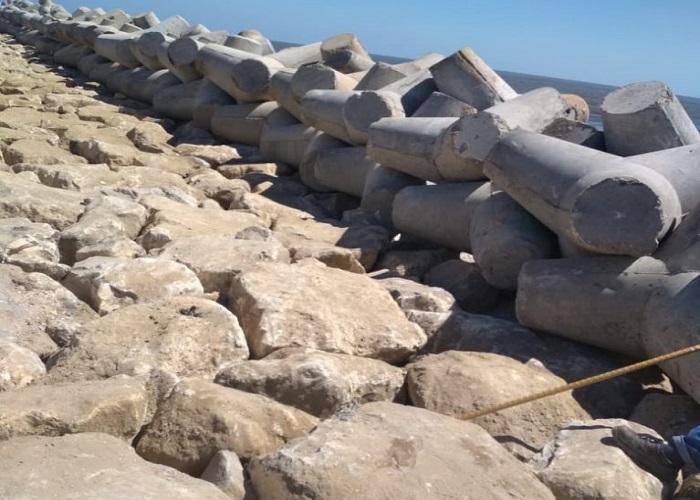
• To address these challenges, the Egyptian General Authority for Shore Protection implements the necessary projects to protect coastal areas along the Mediterranean and Red Sea coasts from erosion problems, and to safeguard facilities and investments in coastal cities, agricultural lands, industrial facilities, and archaeological sites in coastal zones, as well as protecting low-lying areas from climate change and sea level rise. The total length of protection works implemented on the Red Sea and Mediterranean coasts is approximately 144 kilometers.
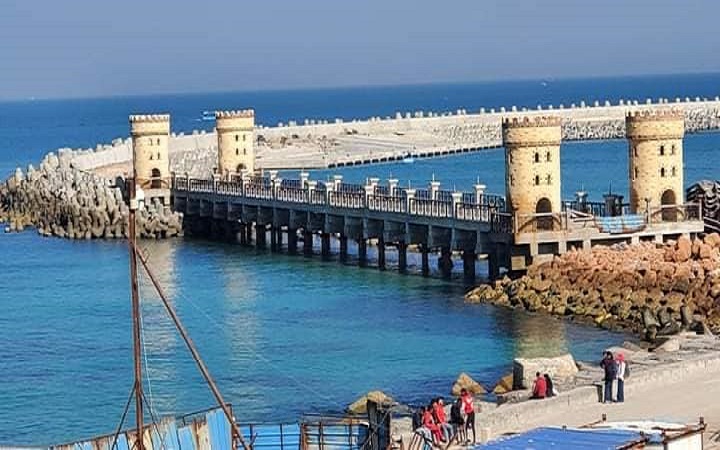
• Among the most prominent projects implemented in Alexandria Governorate are: (Reinforcement, development, and protection of the Alexandria Corniche towards Al-Manshiya and Al-Raml Station, and in the section from Bir Masoud to Al-Mahrousa -Rehabilitation of the Chain Barrier in the Eastern Port – Protection and reinforcement of the historic sea wall of the fish ponds in Al-Montaza -Rehabilitation of the western breakwater of Qaitbay Citadel – Rehabilitation of the middle breakwater of the Eastern Port – Sand nourishment at Stanley, Abu Qir, and Al-Mandara beaches – Protection of several strategic areas in the Abu Qir sea wall zone). These projects have had a significant impact in halting the increasing retreat of the shoreline, restoring the city’s beaches in areas such as Bir Masoud and Al-Mahrousa, protecting Alexandria’s real estate wealth, shielding the Corniche road from high waves, providing protection for the Eastern Port areas, safeguarding Qaitbay Citadel, developing the area in front of the citadel to attract, activate, and support tourism investments, protecting the historic sea wall in Al-Montaza and Montaza Bridge, and securing several important strategic areas in the governorate.
• Among the most prominent coastal protection projects in Matrouh Governorate, which have had a major impact in protecting the beaches of Marsa Matrouh city and the Al-Abyad area west of the city from the effects of climate change, are (the protection project for Matrouh Bay beach and the protection project for Al-Abyad beach). The first phase of the Matrouh Bay beach protection and development project, with a length of 1,500 meters, has been completed, and the second phase, with a length of 300 meters, is currently under implementation. The first phase of the Al-Abyad beach protection project, with a length of 1,500 meters, has also been completed, while the second phase, with a length of 4,000 meters, is ongoing.
• Among the most prominent coastal protection projects in Kafr El-Sheikh Governorate, which have had the greatest impact in stopping the increasing shoreline retreat that reached more than 4.80 kilometers at the Nile mouth of the Rosetta branch until the 1980s, are: the protection project for Baltim city and the restoration of its beaches, the protection project for the area east of the sea heads implemented east of the main western drain outlet (Kitchener), and sand nourishment over a length of 4 kilometers, as well as reinforcement works on the eastern sea wall at the Nile mouth of the Rosetta branch.
• Among the most prominent coastal protection projects in Damietta Governorate are: the construction of a submerged breakwater and protection works totaling 800 meters to protect the area west of the Ras El-Bar tongue, the reinforcement and rehabilitation of Ras El-Bar breakwaters 1 & 2 over a length of 200 meters, the protection of the area east of Ezbet El-Borg city in the Tawal Abu El-Rus zone, and the protection of beaches in the area east of Damietta Port and in front of Ras El-Bar city through the construction of breakwaters No. 9 & 10, each with a length of 225 meters.
• Egypt is also implementing nature-based solutions relying on ecosystem-based approaches for coastal protection measures through the “Enhancing Climate Change Adaptation in the Northern Coast and Nile Delta Region” project, which is currently being executed in cooperation between the ministry and the United Nations Development Programme, funded by a grant from the Green Climate Fund worth $31.40 million. This project uses low-cost techniques from the surrounding environment in the project area to create longitudinal sand dune lines used in protection works, prepared with the participation of the local community, which contributes to the sustainability of the project.
• The project aims to address sea level rise and extreme weather phenomena, protect citizens, facilities, agricultural lands, villages, and low-lying areas from the risks of inundation by seawater, and work toward stabilizing industrial zones and new cities by establishing protection measures with lengths reaching approximately 69 km across five coastal governorates (Port Said – Damietta – Dakahlia – Kafr El-Sheikh – Beheira). Protection works totaling up to 58 km have been completed in Kafr El-Sheikh, Beheira, Damietta, and Port Said governorates, with an additional 11 km under implementation in Dakahlia Governorate.
• The project also aims to establish monitoring stations on the Mediterranean Sea to track changes in waves, winds, and sea level due to climate change, as well as to develop an integrated coastal zone management plan along Egypt’s northern coasts on the Mediterranean, in order to preserve investments and natural resources in coastal areas.