
Project to Enhance Climate Change Adaptation in the Nile Delta and North Coast
Project Overview
Egypt faces numerous challenges due to accelerating climate change, with the Nile Delta and the northern coast emerging as the most vulnerable regions. In this context, the Egyptian state launched the project “Enhancing Climate Change Adaptation in the Nile Delta and North Coast” in collaboration between the Ministry of Water Resources and Irrigation and the United Nations Development Programme (UNDP), implemented by the Egyptian General Authority for Shore Protection, and funded by the Green Climate Fund.
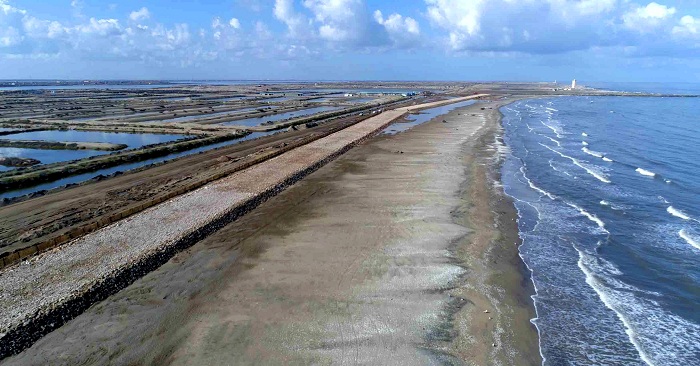
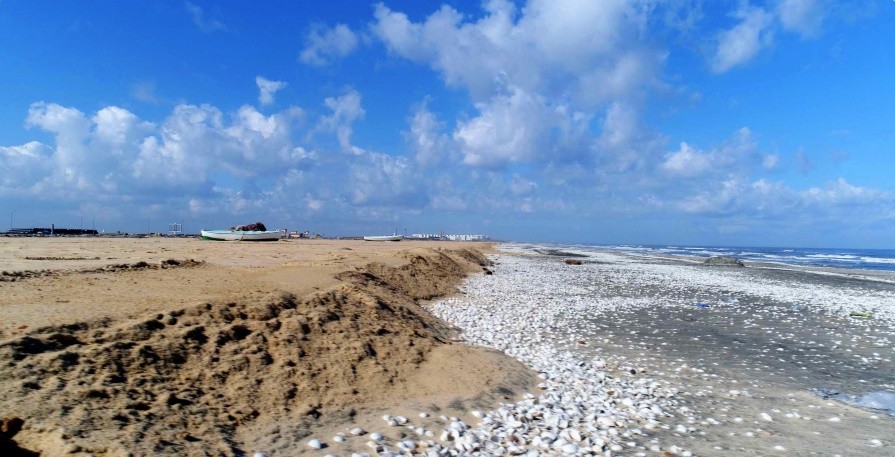
The project aims to protect 69 kilometers of coastline in five vital governorates using nature-based solutions. These governorates are Kafr El-Sheikh, Beheira, Port Said, Dakahlia, and New Damietta, protecting them from the risks of sea level rise.
In addition, the project works in close cooperation with relevant entities to develop a comprehensive strategic plan for the integrated management of coastal areas along 1,200 kilometers of the Mediterranean coast. This plan aims to identify the most vulnerable areas, assess the potential impacts of sea level rise on groundwater and coastal sedimentation, based on future scenarios extending to the year 2100.
This project reflects the Egyptian state’s serious commitment to confronting the challenges of climate change, its keenness to protect its coasts and natural resources, and to ensure a sustainable future for future generations.
Project Objectives :
1. Reducing the risks of coastal flooding using nature-based solutions in the Nile Delta and northern coast of Egypt, particularly in the five (5) most vulnerable and high-risk hotspots within the Nile Delta, spanning 69 km, as identified during the engineering scoping study and technical feasibility study.
2. Working to develop an integrated plan for the management of coastal areas along the entire Mediterranean coast of the Arab Republic of Egypt to manage long-term climate change risks and provide Egypt with the capacity to adapt to imminent flooding risks.
3. Developing local communities -The project to enhance adaptation to climate change does not only target sustainable development and protection of coastal areas and their citizens from climate changes over the coming decades, but also targets the social dimension for current citizens by improving their standard of living. This stems from the project’s belief that the social dimension must be a main component in all development projects:
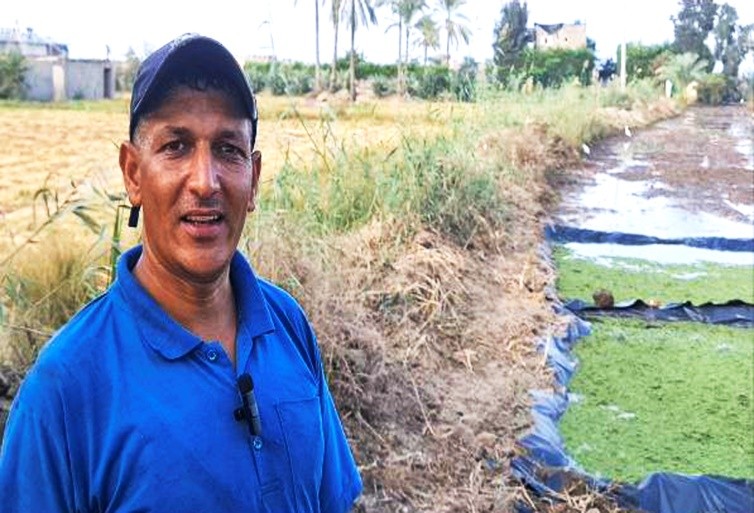
– Cooperation with some civil society organizations and research centers to provide small projects for citizens and small farmers, as well as pilot projects such as agricultural greenhouses, fishing nets, azolla cultivation, and others.
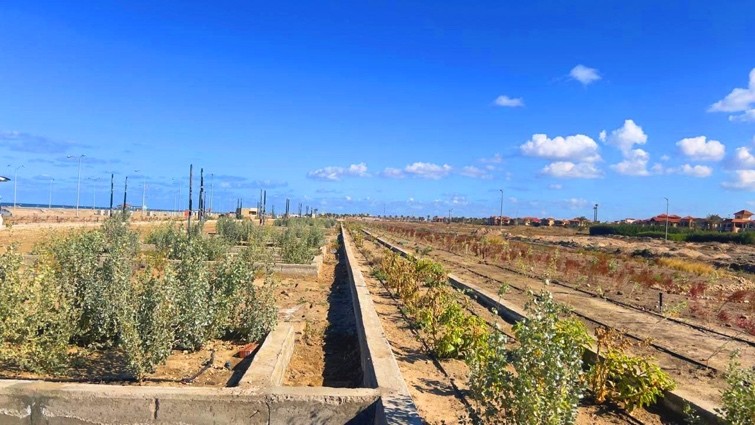
– There is another social dimension, which is changing the form of coastal protection to suit the high social level of the protected area. This is achieved through a pilot protection project in New Damietta Governorate, characterized by a civilized appearance with natural environmental components to preserve the coastal ecosystems of the area. The site landscaping includes planting more than 20 species of wild, aromatic, and natural plants, creating a tourist walkway for strolling known as the “Recovery Walkway,” benches for beachgoers, and equipping the site with nighttime lighting.