
Groundwater and wells
- Groundwater is one of Egypt’s water resources, but it is a non-renewable source, which requires careful and rational management of this vital resource.
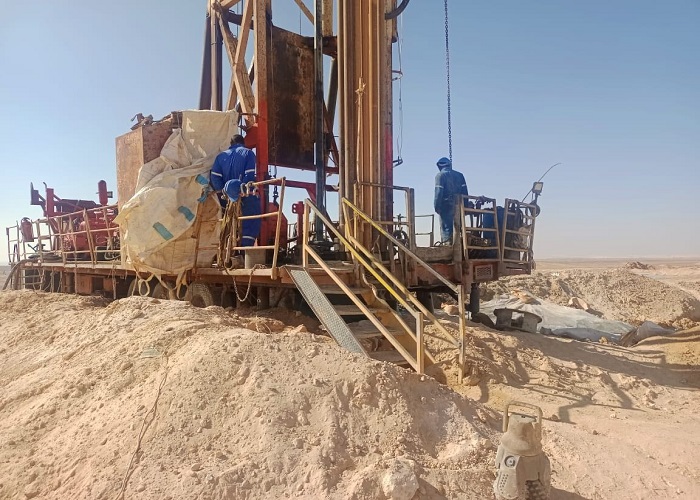
With the growing reliance on groundwater in line with increasing development rates, the Ministry of Water Resources and Irrigation, through the Groundwater Sector, ensures continuous monitoring of wells to enforce all regulations and conditions related to groundwater use. This helps achieve optimal management and rational utilization of this critical resource, especially since deep groundwater in Egypt is non-renewable and located at great depths, making well drilling and water extraction both technically challenging and energy-intensive.The Ministry manages this non-renewable resource through sustainability-focused policies that include:
- Regulations and licensing: Drilling or using wells requires an official license, which is now managed through an electronic system for issuing and renewing permits (recently launched). Using groundwater without technical studies is prohibited.
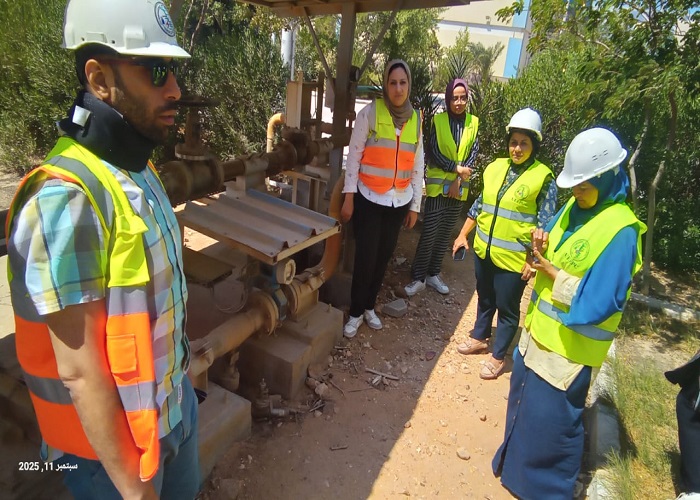
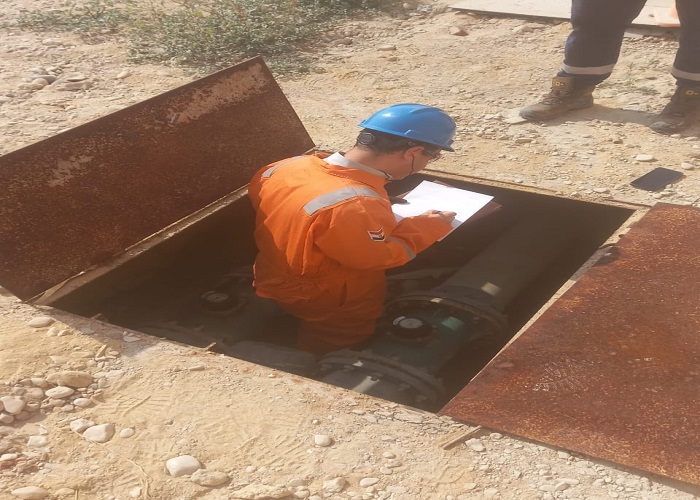
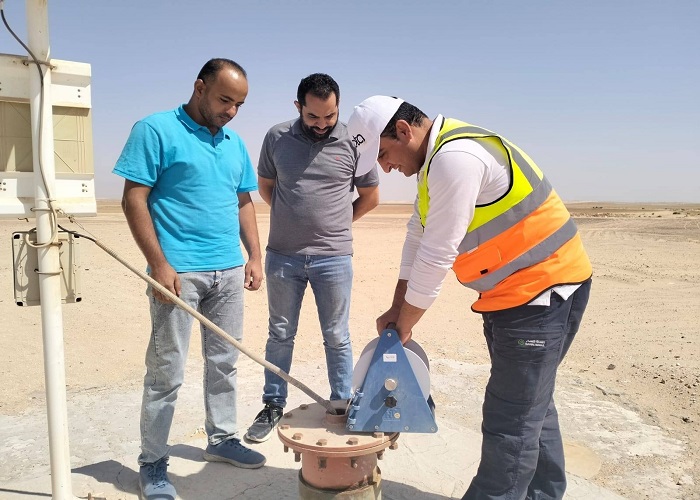
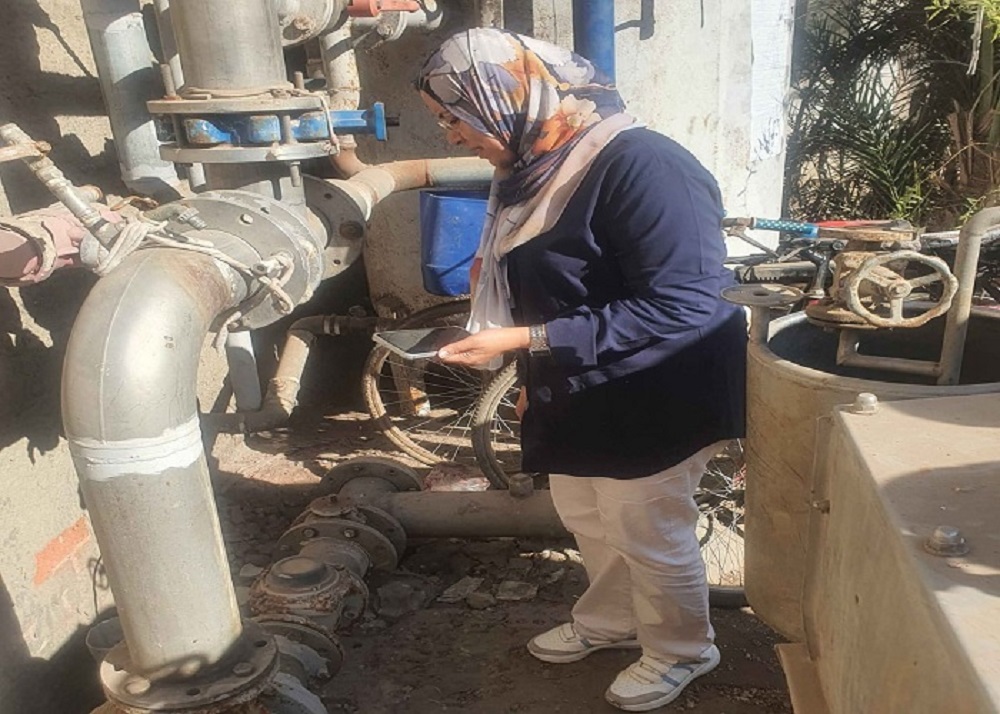
- Monitoring and observation: Identifying and addressing unlicensed wells and using monitoring networks to track groundwater levels and quality.
- Sustainable development projects: Utilizing solar energy to power water-lifting stations to reduce costs, and improving irrigation and drainage systems in oases such as Siwa to address rising drainage water levels and overextraction of groundwater.
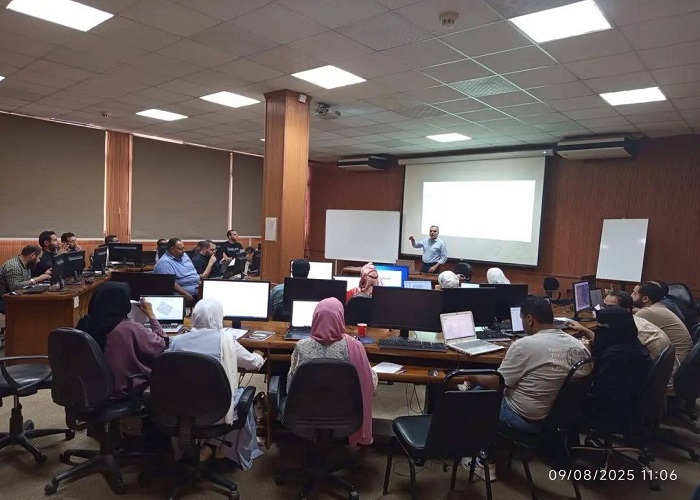
- Protection from pollution and depletion: Awareness programs, limiting saltwater intrusion in coastal areas, and conducting aquifer governance studies to ensure sustainability for future generations.
- Challenges: Overextraction in some regions and the effects of climate change.
In conclusion, groundwater is a crucial water source, but managing it wisely is essential to prevent depletion, emphasizing scientific studies and modern technology to ensure sustainability.
Wells
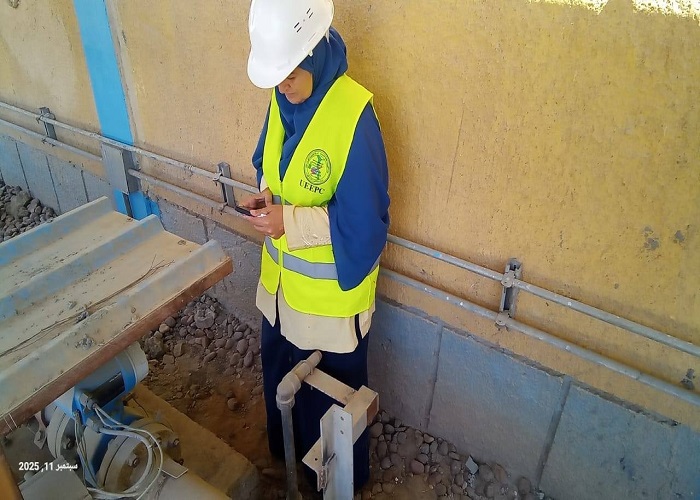
Environmental aspects: Some wells have been converted to run on electricity and solar energy instead of diesel to reduce emissions; increasing vegetation cover, combating desertification, and improving water resource efficiency.
Economic aspects: Increasing job opportunities and expanding agricultural land in targeted development areas.
Social aspects: Enhancing the quality of life in rural communities, improving public services and infrastructure, and providing employment opportunities for youth.