
New Dirout Barrages Project
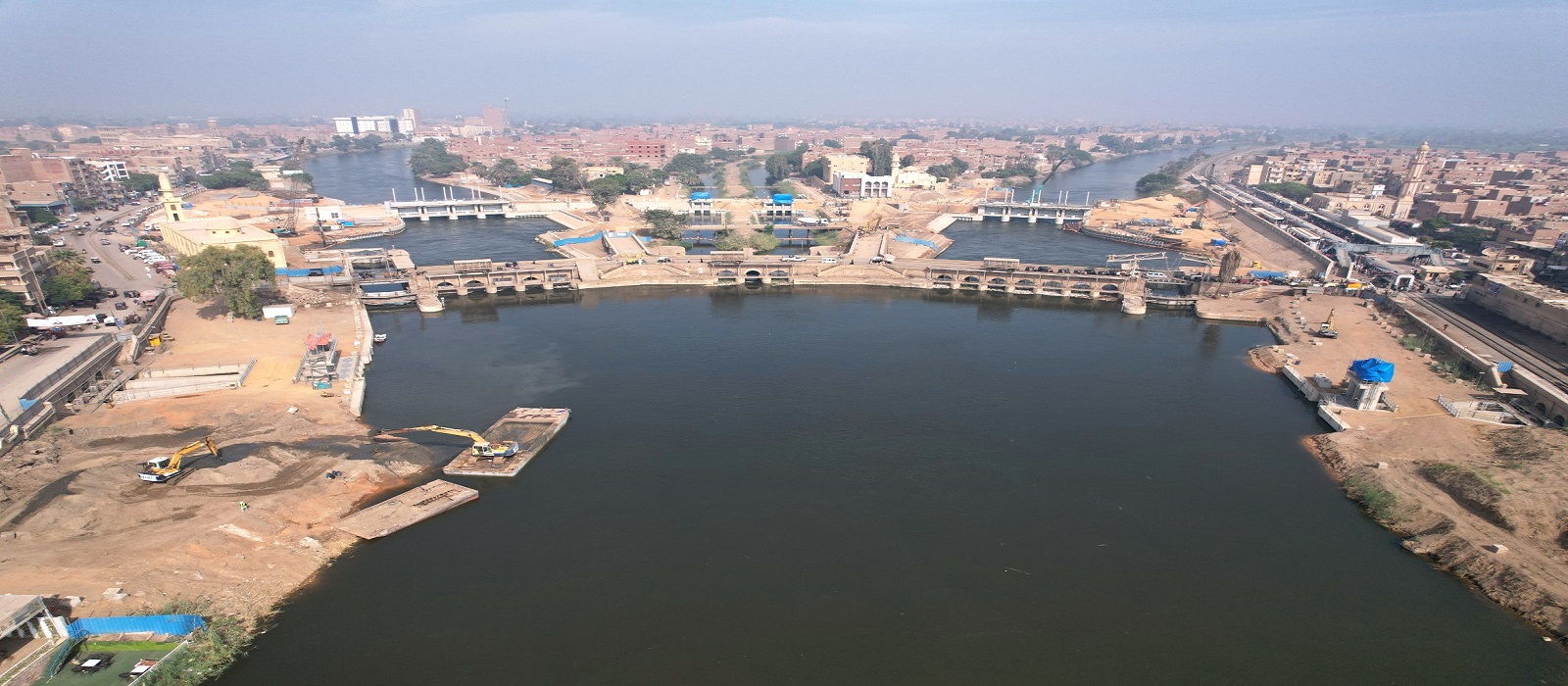
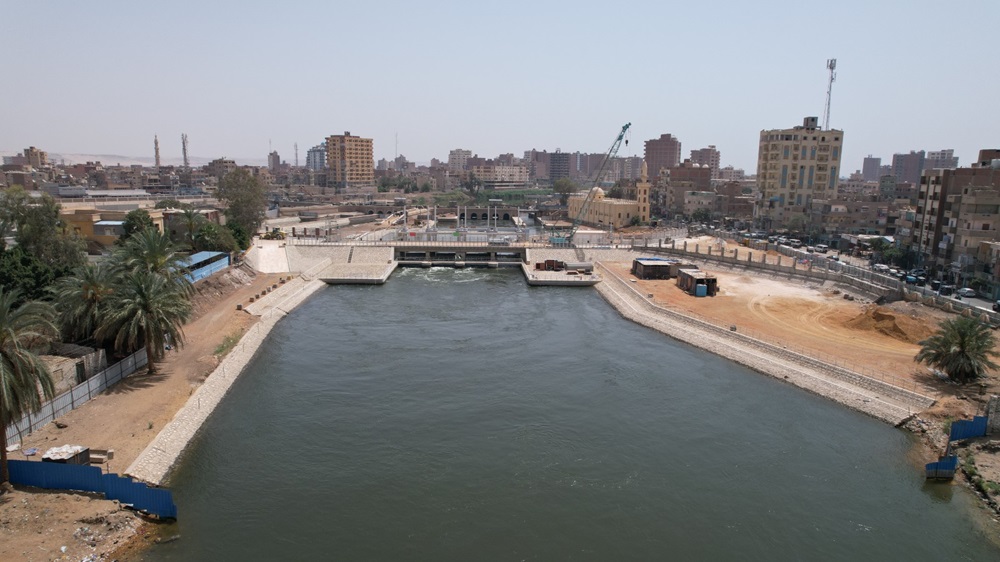
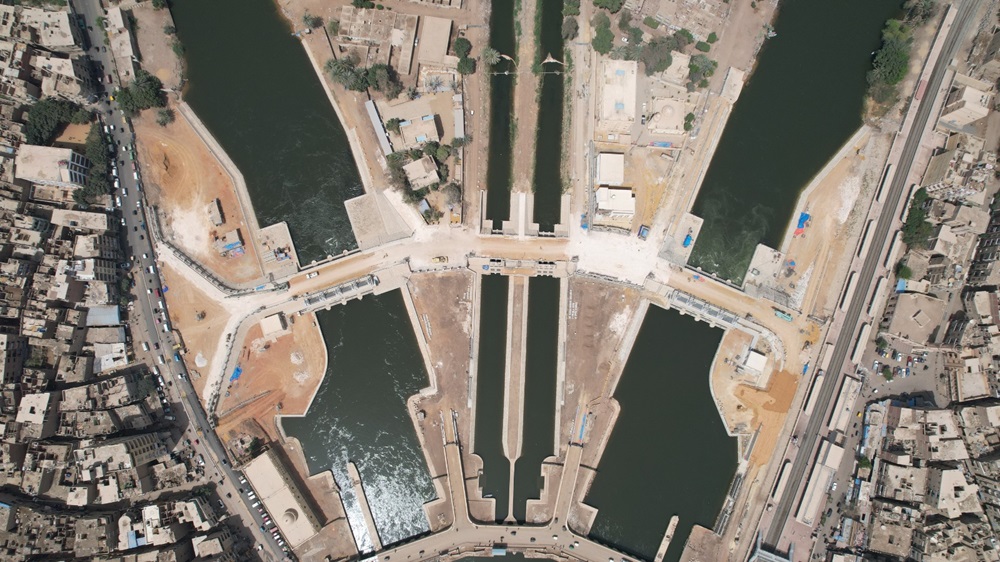
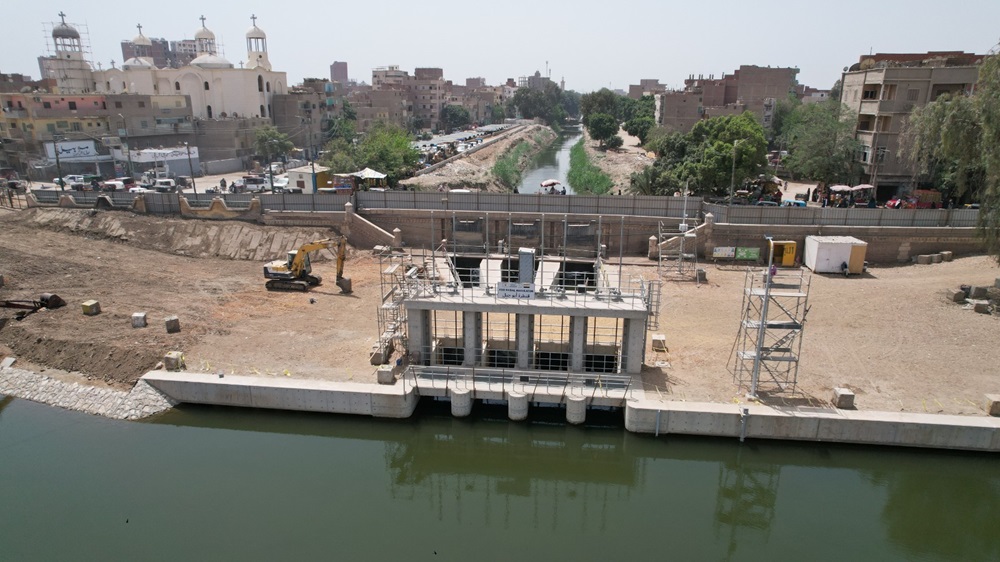
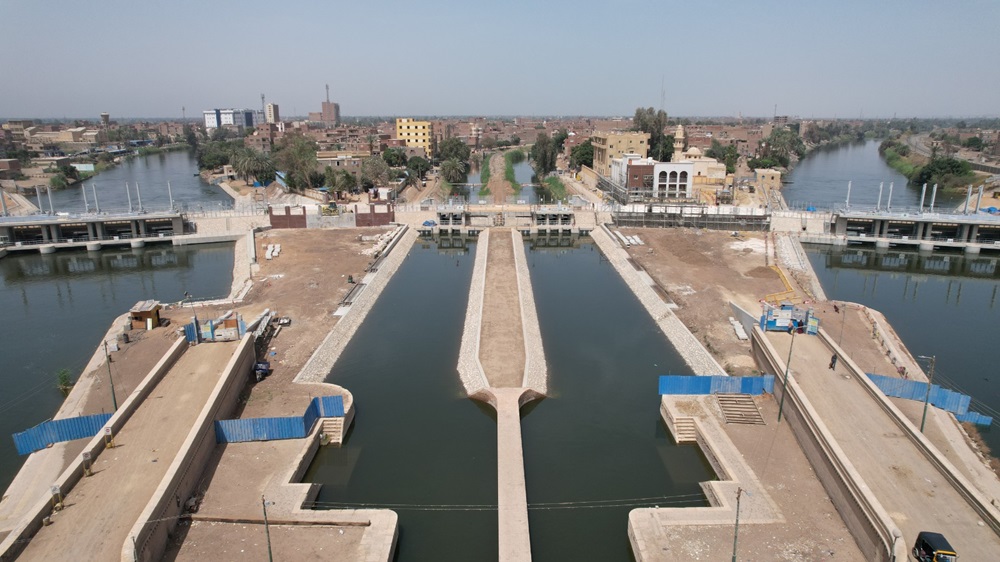
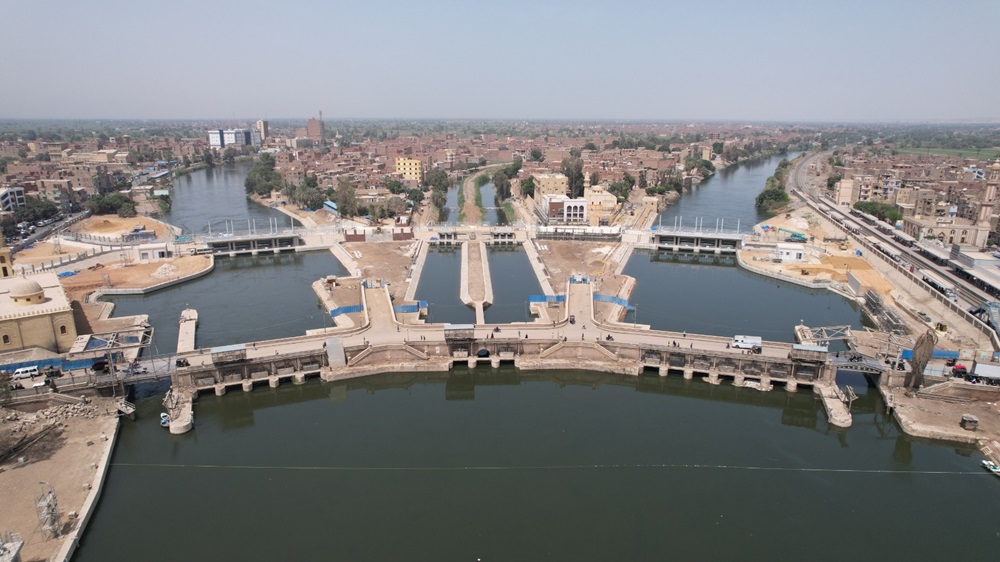
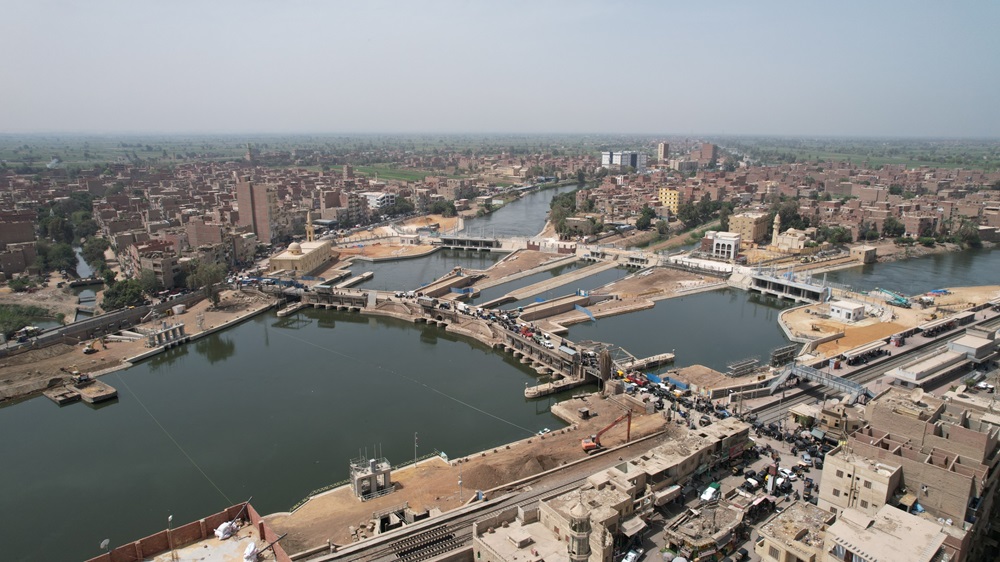
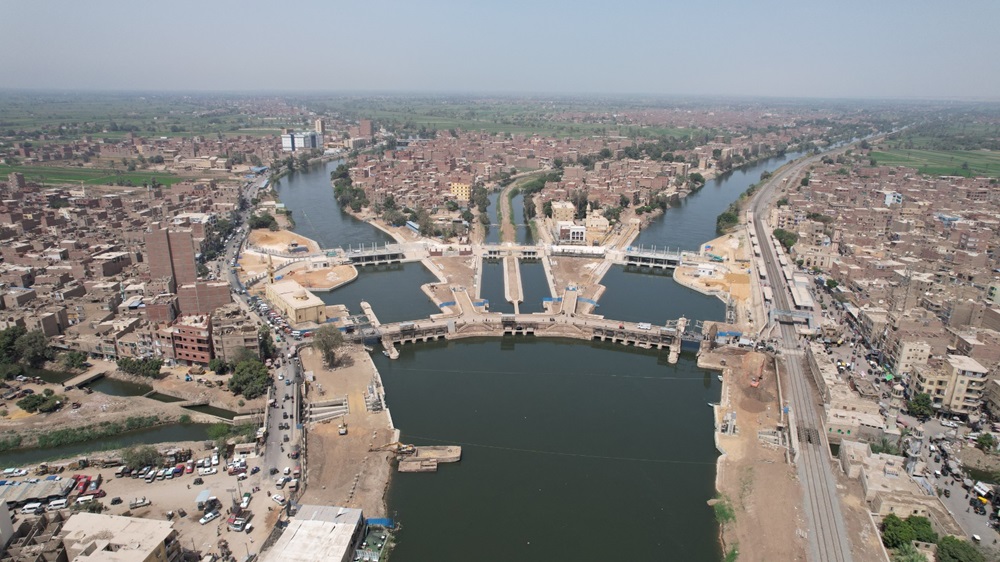
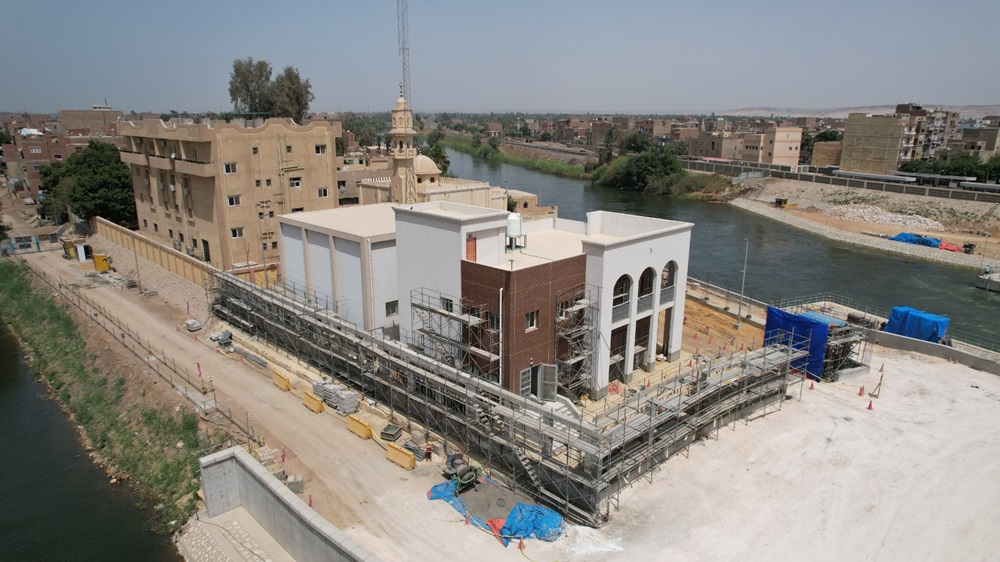
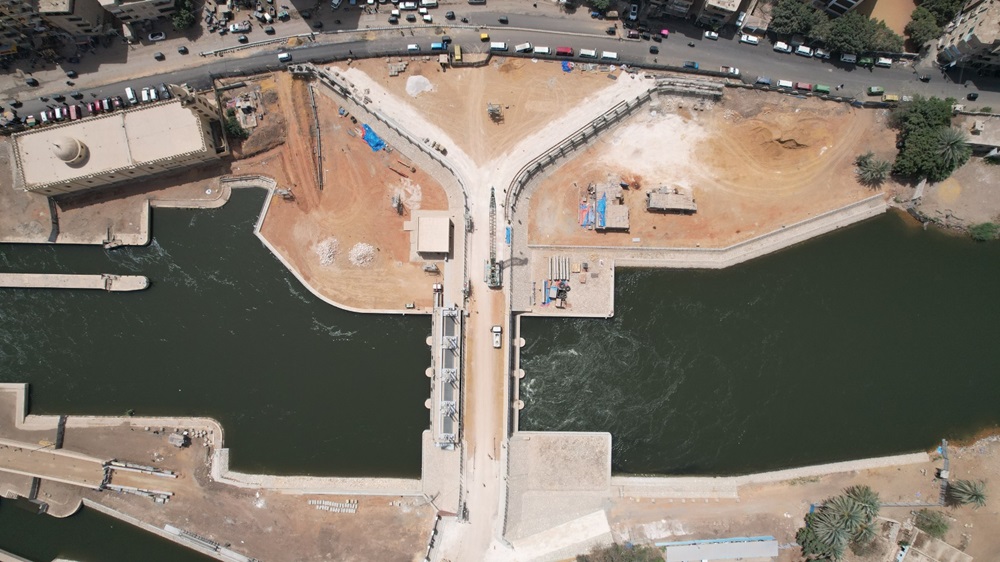
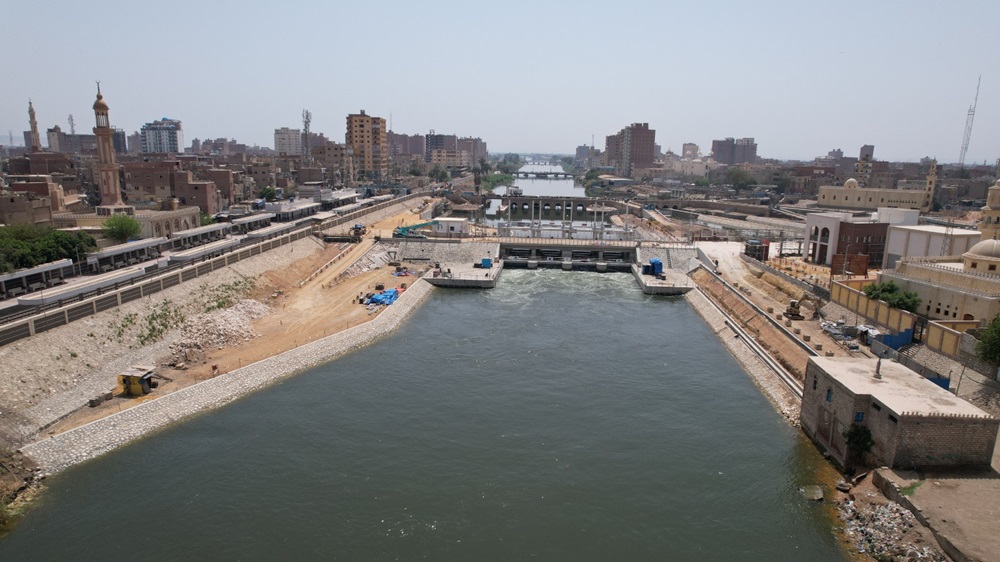
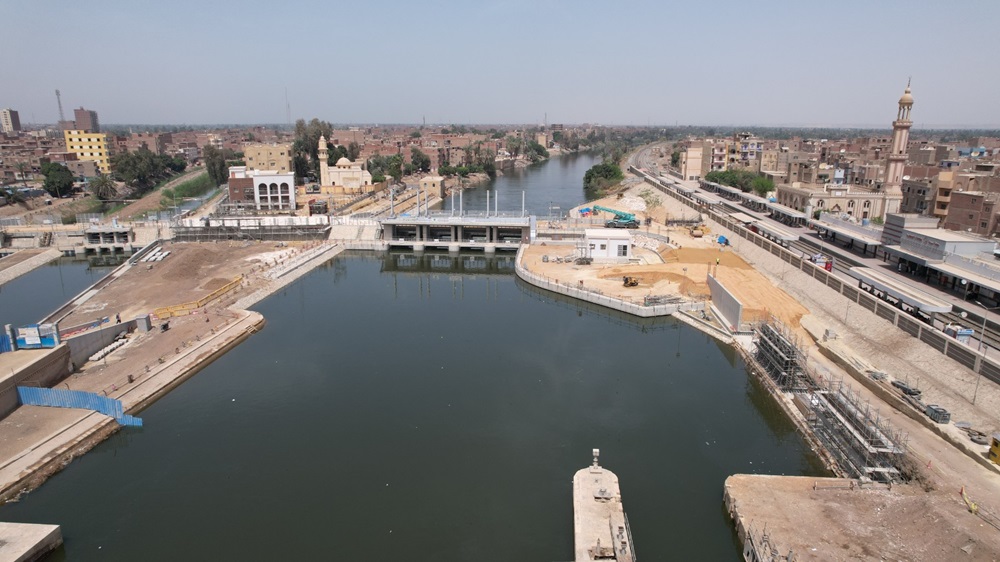
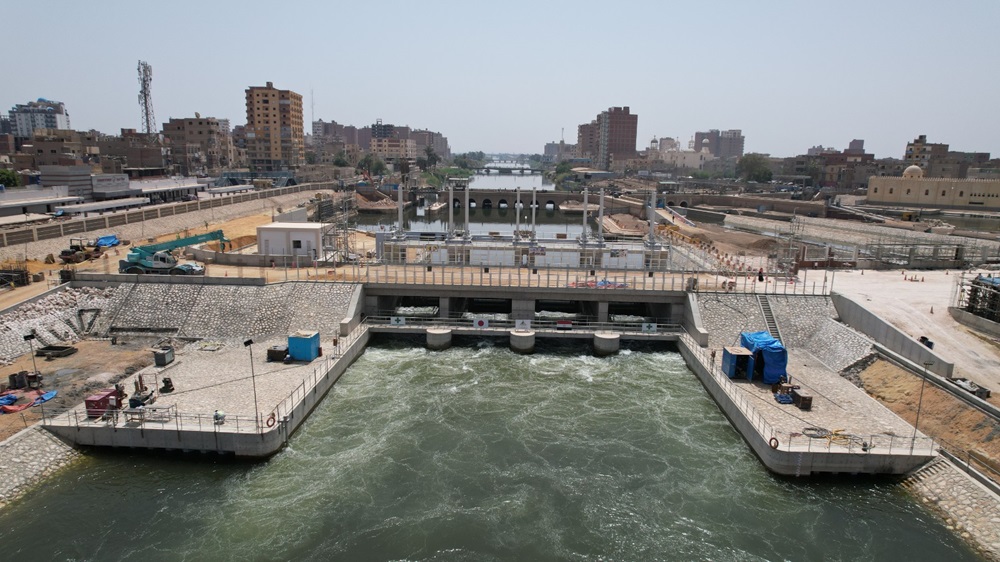
● The Dirout barrages group was established about 150 years ago, and the barrages group was annexed to the Ministry of Antiquities in 2012. The project to construct the new Dirout barrages aims to improve irrigation processes in an area of 1.60 million feddans in five Upper Egypt governorates (Assiut – Minya – Beni Suef – Fayoum – Giza), and to provide an advanced system for controlling the discharges of the canals fed by the barrages group in the five governorates. The project includes the construction of seven barrages (Bahr Youssef mouth – Ibrahimiya – Badrman – Diroutiya – Abu Jabal – Daljawi intake – Sahiliya), in addition to building an overhead bridge, constructing buildings for operation and control, and establishing a system for managing and monitoring water distribution at 45 sites within the project scope.
● This project is the result of a long history of distinguished cooperation between Egypt and Japan, during which many joint projects were implemented in the field of water resources. The project to construct the new Dirout barrages group continues the replacement and rehabilitation works carried out on all main water structures located on Bahr Youssef, where six barrages were constructed with a Japanese grant (New Lahun barrages, Giza canal mouth, Hassan Wasif canal mouth, Mazoura, Saqola, and Manshiyet Al-Dahab structure). A feasibility study was previously prepared by the Japan International Cooperation Agency (JICA) for the complete rehabilitation of the irrigation system on Bahr Youssef canal between 1991-1992, which recommended the replacement of the Dirout barrages group and the detention barrages (Manshiyet Al-Dahab – Saqola – Mazoura – Lahun – Hassan Wasif – Giza) on Bahr Youssef. Additionally, a comprehensive feasibility study (technical – economic – environmental – social) for the Dirout barrages group was conducted through a Japanese grant by the Japanese consulting office “Sanyo” during 2009-2010, which assessed the structural and hydraulic condition of the barrages group and proposed the development of an integrated water management system in the study area downstream of the barrages, emphasizing the importance of this project in improving water discharges, especially those passing through the barrages group to the Bahr Youssef area.
● Necessary quality tests are being conducted on the concrete mixes used in all elements. The large barrages gates (Bahr Youssef mouth – Ibrahimiya detention) are manufactured in Japan, while the small barrages gates (Badrman – Diroutiya – Abu Jabal – Daljawi intake – Sahiliya) are manufactured in Egypt, using the latest Japanese technology in the design and implementation of the gates to ensure high precision in control and water distribution processes.
Environmental Dimensions of the Project:
– Improving the efficiency of water resource use.
Supporting environmental sustainability through more precise and efficient water management.
Social Dimensions of the Project:
– Improving the living standards of farmers, especially small-scale farmers, by ensuring regular access to irrigation water.
– Enhancing national food security as a result of increased agricultural production.
– Providing direct and indirect job opportunities during the implementation, operation, and maintenance phases.
Economic Dimensions of the Project:
– Increasing the agricultural land return through higher feddan productivity, which supports the local economy and related transformative industries and services.
– (Note: This is a distinct project from the New Assiut (Asyut) Barrage, which is a separate hydraulic structure further upstream on the Nile with its own hydropower component.)