
Non-Conventional Water Resources for Resilient Urban Water Management
Project Description
The ResWater project aims to strengthen urban water resilience among Mediterranean partners by exploring small-scale, decentralized Non-Conventional Water Resource (NCWR) technologies that reduce reliance on traditional freshwater sources. The project will analyse urban water demand hotspots, assess future risks to water supply security (WSS), and identify trends in water availability and demand. Ultimately, it will develop resilient Urban Water Management Plans (UWMPs) to ensure sustained WSS and complement existing strategies, while fostering long-term stakeholder engagement and knowledge-sharing networks to support the sustainability of its impact
Objectives
-
The project will conduct a comprehensive assessment of urban water systems, resulting in the development of a detailed catalogue of NCWR solutions.
-
Water demand and supply trends in pilot catchments will be analysed. This work will produce technical reports and a user-friendly catalogue to inform future management plans and actively engage stakeholders.
-
Living Labs and a regional Community of Practice (CoP) will be established to promote knowledge exchange and foster stakeholder engagement throughout the project.
-
The project will enhance technical expertise and promote best practices by designing and delivering a specialized training course. This initiative will support the adoption of NCWR technologies across the sector.
-
Decentralized NCWR demonstration sites will be set up in public buildings across partner countries. These sites will showcase practical applications, collect performance data, and support cost-feasibility assessments.
-
Evidence-based policy and governance recommendations will be developed to address regulatory gaps. These recommendations will help create resilient urban water supply systems and encourage the integration of NCWR solutions into urban planning and management.
Project Outcome
The project will deliver an online catalogue of decentralized NCWR solutions, establish six urban demonstration units, and develop a policy framework for resilient Urban Water Management Plans. It will also offer a regional training course (later expanded into a MOOC) and promote ongoing stakeholder engagement through local living labs and a regional Community of Practice, creating a comprehensive capacity-building platform. ResWater’s primary beneficiaries are policymakers, researchers, municipalities, water authorities, and citizens, ensuring that its innovative approaches and best practices for resilient urban water management will benefit the Mediterranean region well beyond the project’s duration.
General Information
Total Duration: 36 months
About- Non Conventional Water Resources for Resilient Urban Water Management-Interreg NEXT MED: https://www.interregnextmed.eu
For More Information: reswater.mwri@gmail.com
Recent News
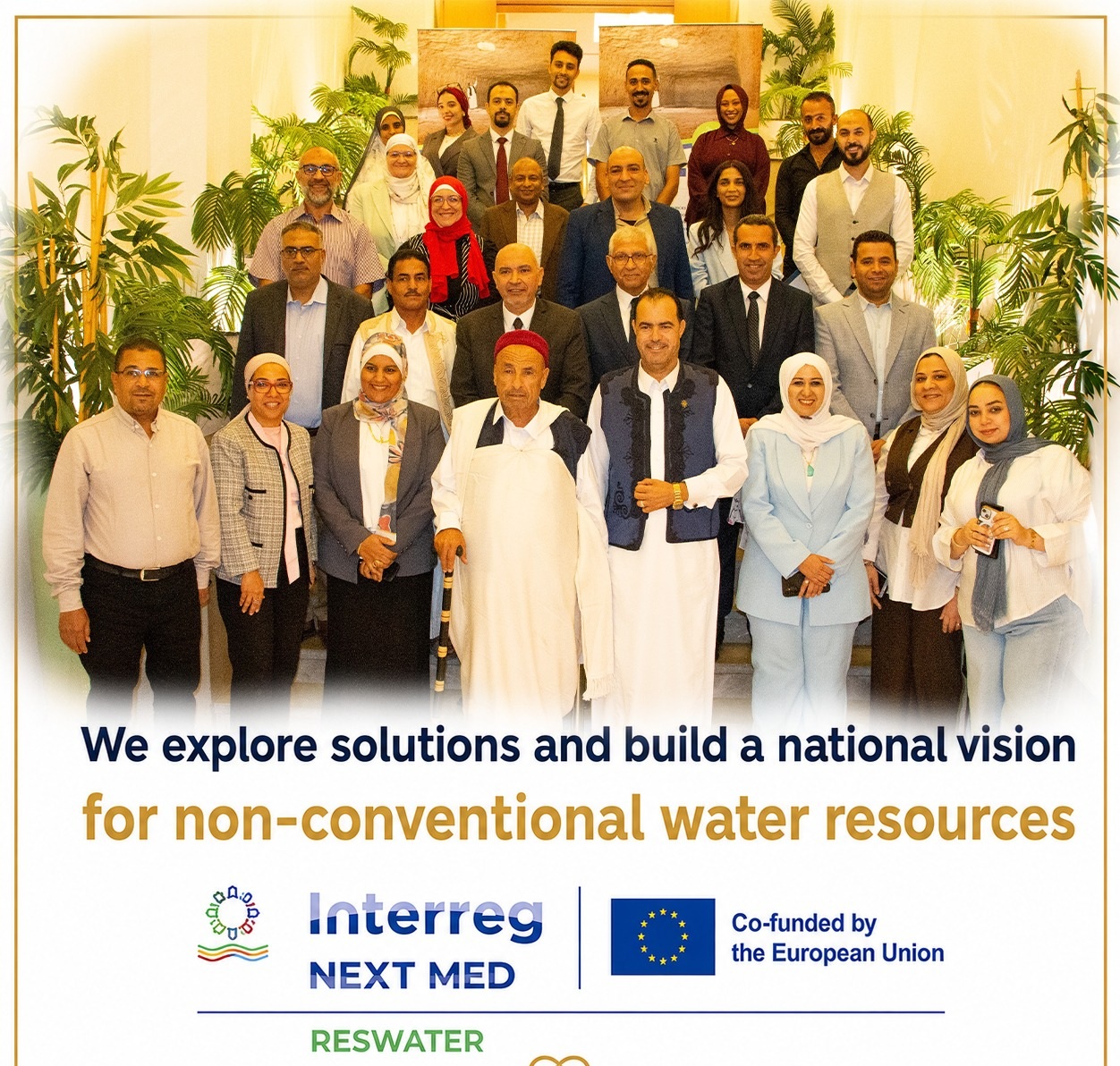
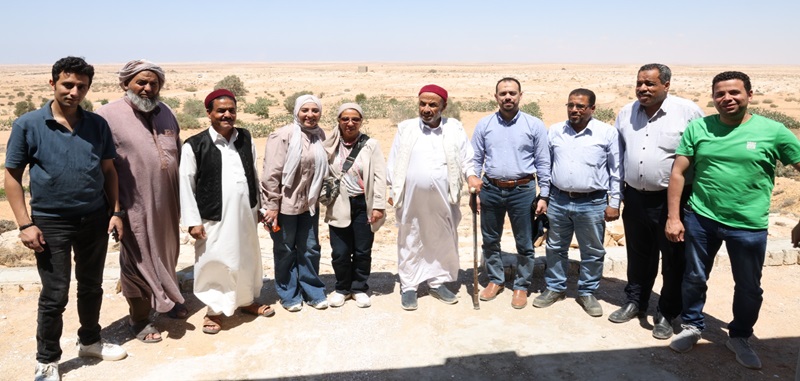
Published at 10/6/2026

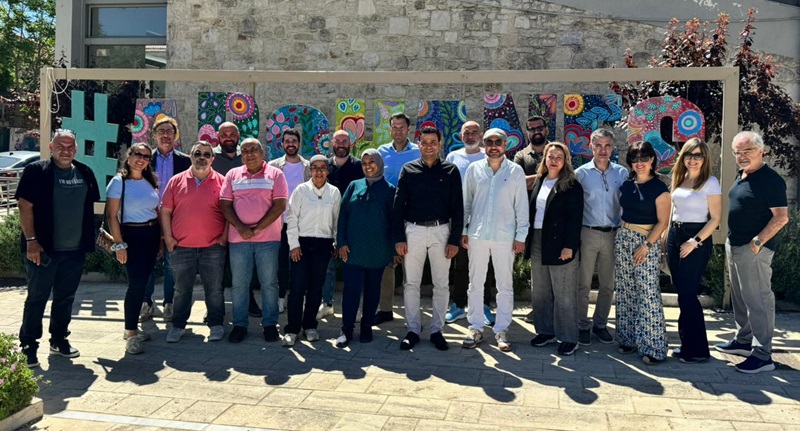
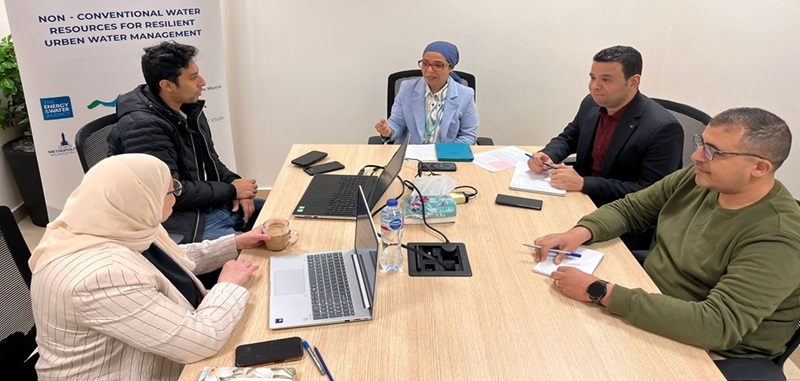
Published at 16/3/2026