
Activities of the Regional Training Center
- Overview of the Center
- 1. Project: Utilization of Water Hyacinth
- 2. Project: Establishment of Vocational Technical Schools for Irrigation Technology
- 3. Water Ambassadors Awareness Program
- 4. Training of Egyptian University Students (Summer Student Training)
- 5. Water Sustainability Hackathon Competition
- 6. Training Courses in the Field of Artificial Intelligence
- 7. Regional Activities and Female Participation
- The Ministry works to support and develop training programs provided to young engineers and researchers within the Ministry in all fields related to the optimal management of water resources.
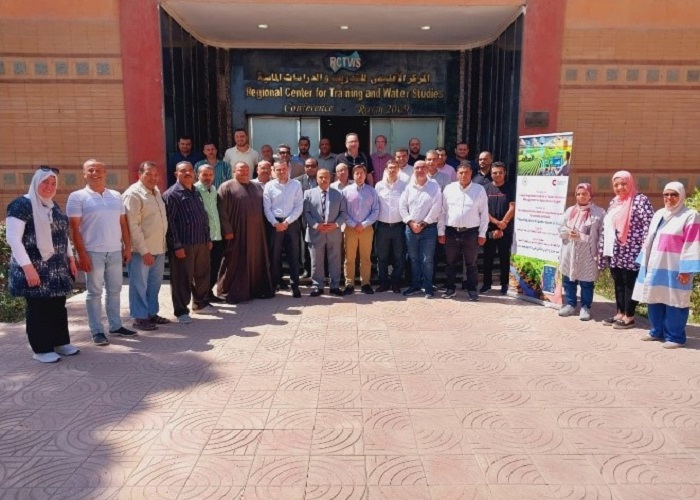
- The Regional Training Center for Water Resources and Irrigation (affiliated with the Ministry of Water Resources and Irrigation) was established in 1984. Its main headquarters is located in 6th of October City on an area of 42,000 square meters (approximately 10 feddans), with 9 branches across the Republic (Esna – Minya – Fayoum -Zagazig – Damanhour – Kafr El Sheikh – Mansoura – New Administrative Capital – North Sinai).
- The Center serves as the training arm of the Ministry of Water Resources and Irrigation. Its primary mission is to activate the strategy for human resource development and capacity building. It is one of the national entities entrusted with building the capacities of specialized cadres and represents a fundamental pillar for achieving sustainable development goals and the Ministry’s strategy in line with Egypt Vision 2030.
It has been accredited as a national training entity by the Supreme Council of Universities and accredited by UNESCO as a Category II Center since 2002. In 2023, the African Center for Water and Climate Adaptation was launched to serve the African continent.
- The Regional Training Center for Water Resources and Irrigation is a UNESCO-accredited Category II Center, recognized as one of the distinguished centers applying all global quality standards in training plans and scientific materials provided. It is also a nationally accredited training entity by the Supreme Council of Universities.
- The Center possesses distinguished training capabilities both at its main headquarters in 6th of October City and at its branches in the cities (Kafr El Sheikh – Zagazig – Damanhour – Fayoum – Minya -Esna – Mansoura – New Administrative Capital – North Sinai). It also holds annual training courses for Arab and African trainees.
The scientific content delivered during the training courses is provided by many specialists from the Ministry, the National Water Research Center, and professors from Egyptian universities.
- The training courses cover diverse topics in the fields of (technical – personal skills – financial, administrative and legal – computer – language – leadership preparation – digital transformation – artificial intelligence), in addition to field visits to numerous completed or ongoing water projects and facilities, such as canal and mesqa rehabilitation projects, water structures, water treatment projects, protection from flash floods, and coastal protection, to familiarize participants with the projects implemented by the Ministry in these areas.
- The Regional Training Center for Water Resources and Irrigation provides distance training courses through the “Moodle/RCTWS” educational platform, which offers courses via electronic content as well as virtual meetings between trainers and trainees.
- The Center is one of the implementation mechanisms of the international AWARe initiative for adaptation in the water sector, launched by Egypt during COP27, which focuses on capacity building in the water field. The Pan-African Center for Water and Climate Adaptation (PACWA) was launched with its headquarters at the Regional Training Center for Water Resources and Irrigation, serving as an African center for training in climate change adaptation under the umbrella of the initiative. This contributes to raising the capacities of workers in African countries in water management and dealing with the negative impacts of climate change on the water sector.
(July – December 2025)
1- Utilization of Water Hyacinth Project
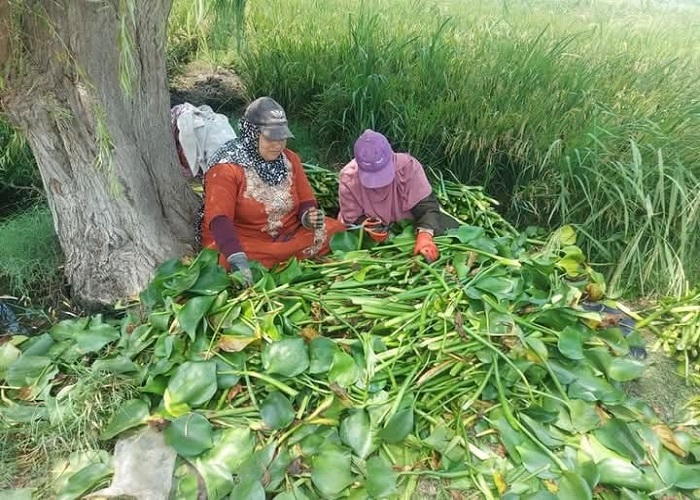
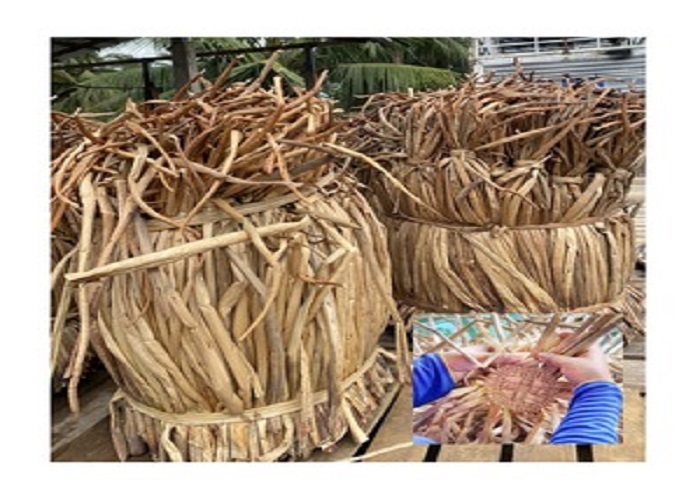
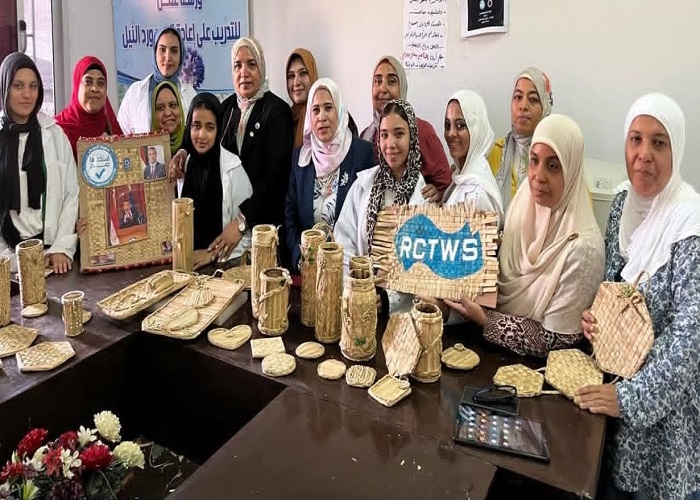
Within the framework of the leading mission of the Regional Training Center for Water Resources and Irrigation toward advancing sustainable development and enhancing its role in community service, the Center seeks to find innovative environmental solutions to the challenges facing the water sector. The Center gives special attention to empowering women, particularly female breadwinners, by developing their skills and opening new horizons for job opportunities to improve their families’ living standards, in support of achieving Egypt Vision 2030 and the Sustainable Development Goals.
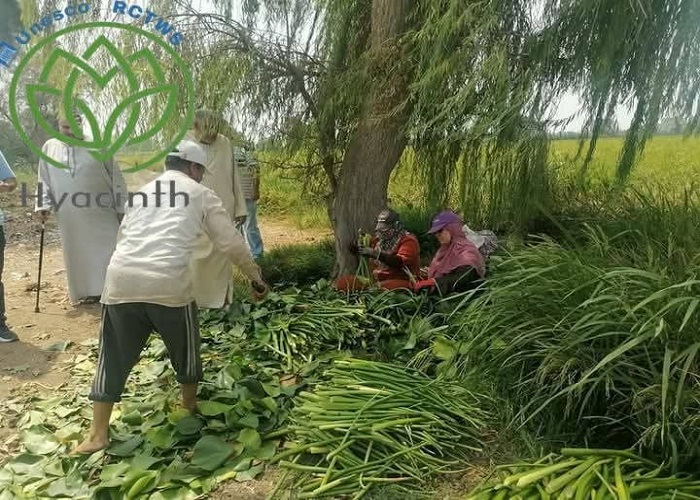
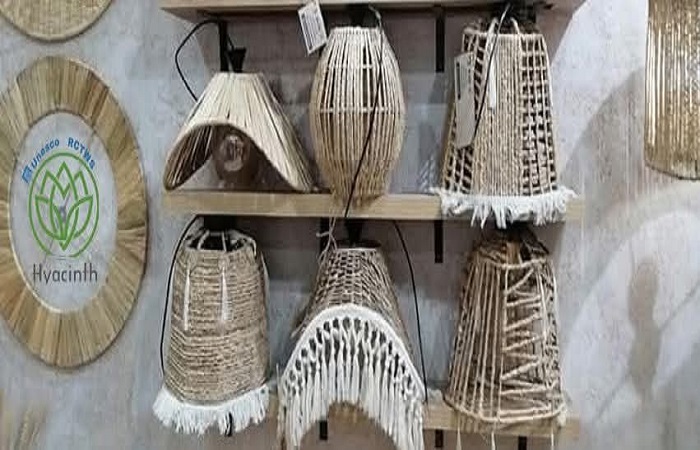
In line with this approach, the Center launched the initiative “Sustainable Development from the Heart of the Nile” to spread the culture of utilizing water hyacinth and transforming it from an environmental challenge into a valuable economic resource, while supporting women, families, and water users’ associations to create job opportunities and increase income.
The initiative included the following activities:
- Holding workshops and training courses for women to teach them how to transform water hyacinth into handicrafts in the governorates (Giza – Kafr El Sheikh – Dakahlia – Suez).
- Training water users’ associations on how to collect and dry water hyacinth to make it ready for use.
- Implementing workshops on mechanisms for managing water hyacinth waste in Kafr El Sheikh Governorate.
- Participation in conferences and exhibitions to market water hyacinth products, including participation in the Sahara Expo, the International Conference “Energy and Water in the Middle East and Africa,” and the 8th Cairo Water Week.
The Center created a dedicated Facebook page titled Hyacinth to publish news about water hyacinth and market products for the trainees, and a formal website for online product sales is currently under construction.
To view, click the following link:
https://www.facebook.com/share/1ErGKF25Cz/
Project: Establishment of Vocational Technical Schools for Irrigation Technology
Within the framework of joint cooperation between the Ministry of Water Resources and Irrigation and the Ministry of Education and Technical Education, the Regional Training Center plays a pivotal role in the project to establish vocational technical schools for irrigation technology, with the aim of preparing trained technical cadres capable in the future of managing the water system under the umbrella of the second generation of the 2.0 irrigation system in the Ministry. In this regard:
- The Center organized workshops with the participation of relevant Ministry entities to identify the core competencies and skills required for graduates of these schools and to support the preparation of curricula that combine academic education with practical application in the fields of irrigation, water resources management, and modern technologies.
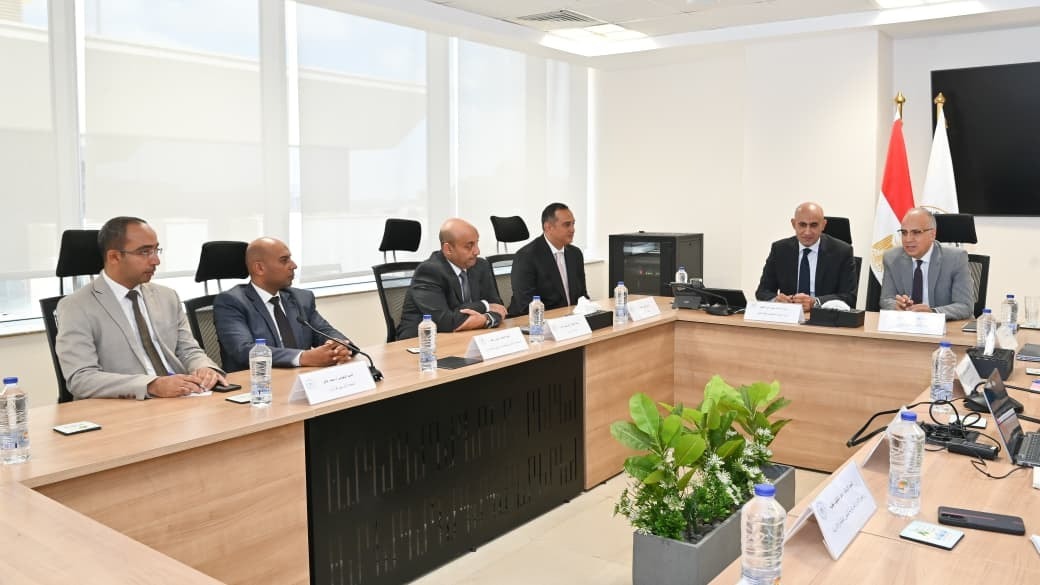
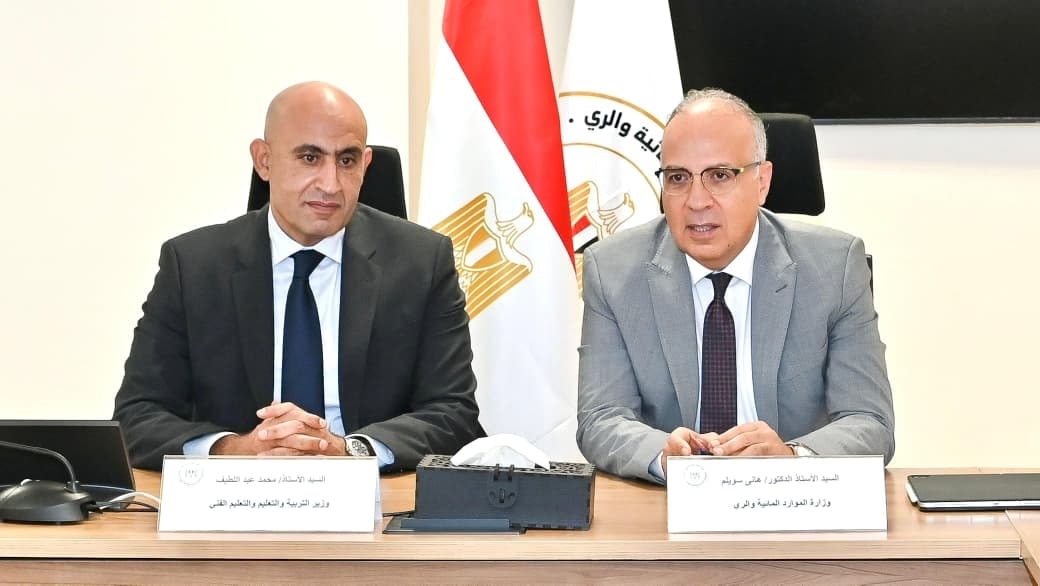
- Dr. Salwa Abu El-Ela, Head of the Regional Training Center, representing the Ministry and in the presence of the Prime Minister and the Minister, signed a cooperation protocol between the Ministry of Water Resources and Irrigation, the Ministry of Education and Technical Education, and Italian academies and institutes to establish (5) applied technological vocational schools. Integrated curricula will be prepared in the fields of irrigation and drainage, modern irrigation, surveying, artificial intelligence, maintenance and operation of pumps, equipment, and vehicles.
• The Center signed a cooperation protocol with the entity “Engineers for Sustainable Egypt,” resulting in the implementation of the largest free awareness program “Water Ambassadors” aimed at preparing human cadres at the governorate level across the Republic capable of contributing to raising awareness of the importance of preserving water resources to achieve sustainable management of irrigation and water. The program contributes to building a more resilient and water-aware society in line with Egypt Vision 2030.
• The program includes trainees of all ages and various job categories from different governorates of the Republic. It is implemented online through the Regional Training Center’s educational platform RCTWS/Moodle.
• During the program’s sessions, nearly (1000) graduates have been accredited as Water Ambassadors across three consecutive batches.
• The program includes lectures covering the Ministry of Water Resources and Irrigation’s efforts to develop the water system, water ethics, and protection from pollution
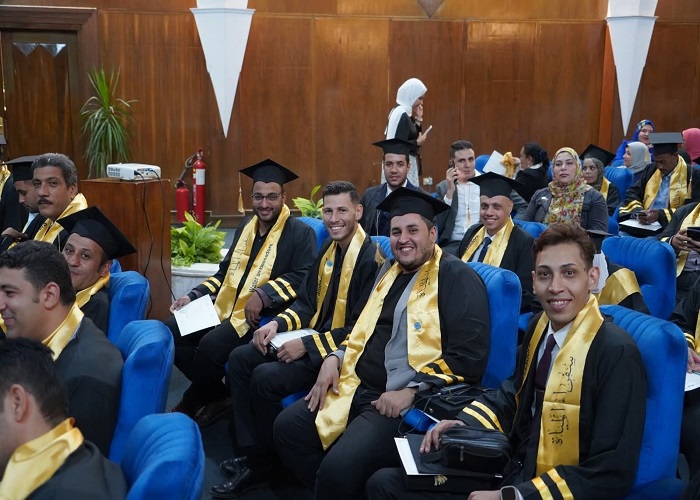
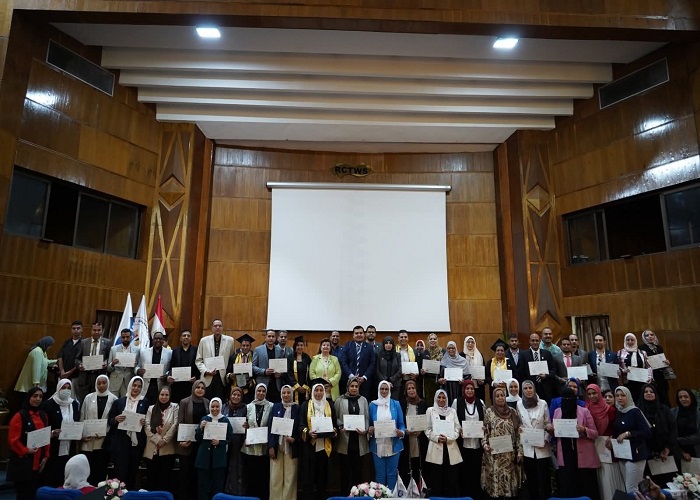
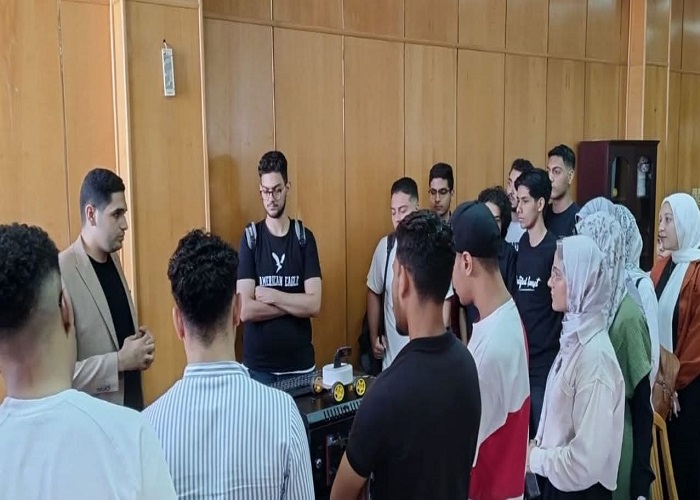
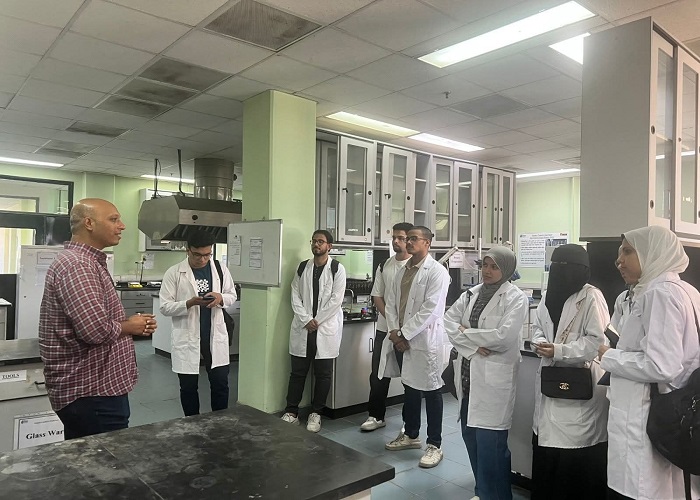
Within the framework of the Center’s leading role in supporting the educational process and linking it to practical aspects and labor market requirements, the Regional Training Center for Water Resources and Irrigation implemented the summer training program for Egyptian university students at its main headquarters and branches in the governorates, targeting students from faculties of engineering, agriculture, sciences, and computers from various universities, where:
– More than 1500 male and female students from 20 public, national, and private universities and 3 engineering and technological institutes benefited. Participants were awarded certificates of completion and free training opportunities.
– The Center provided specialized training programs combining theoretical aspects, practical applications, and field visits.
– Introduction to the Ministry of Water Resources and Irrigation’s projects in integrated water resources management and raising students’ awareness of current issues in water resources management.
– The implementation was supervised by an elite group of Ministry experts and engineers, contributing to the development of students’ practical skills, bridging the gap between university education and the labor market, and directing them toward innovation and development in the water sector.
– The Center participated in the presidential initiative “Alliance and Development” to support entrepreneurship and empower youth and university students.
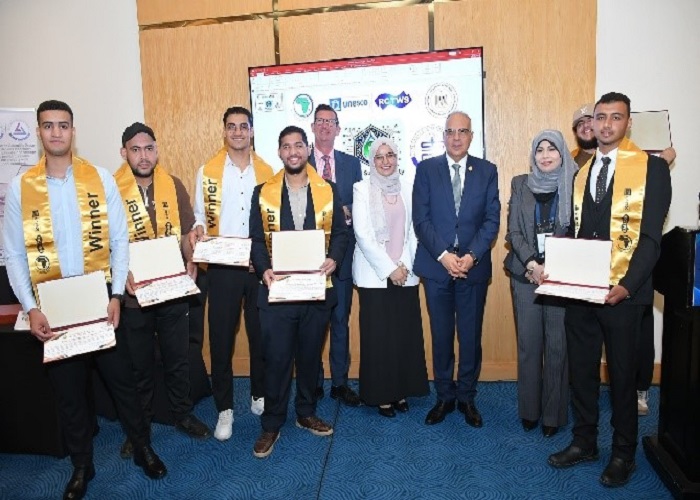
- The Regional Training Center for Water Resources and Irrigation played a key role in organizing and managing the regional “Water Sustainability Hackathon” competition as part of the activities of the 8th Cairo Water Week, enhancing joint African cooperation and supporting and empowering youth in water technology and innovation fields, in collaboration with development partners and research institutions at local and regional levels, contributing to achieving water sustainability goals and the state’s vision for integrated water resources management.
The competition was fully planned and executed through:
- Providing a stimulating training and organizational environment for innovation and creativity.
- The Center contributed to attracting distinguished youth from Egypt and several African countries and providing a regional platform for exchanging experiences and entrepreneurial ideas.
- The Center worked to link the hackathon outputs to the vision of the Ministry of Water Resources and Irrigation by supporting winning projects that presented practical solutions contributing to sustainable development and enhancing water security at local and regional levels.
- A memorandum of understanding was also signed with student Edini Faith Babra Bario, Faculty of Engineering – Mechanical Department – Makarere University, Uganda (first-place winner in the hackathon for her idea of designing a robot for monitoring water quality), and the Integrated Scientific Group Company (ISG), under the direct supervision of the Regional Training Center for Water Resources and Irrigation, to transform the idea into an applicable industrial prototype.

– In line with the Center’s role in preparing cadres capable of keeping pace with rapid digital transformations, the Regional Training Center strengthens its position as a leading institution in providing specialized artificial intelligence programs through a comprehensive training system covering several vital areas, where the Center implements:
1. Professional programs in human resources relying on artificial intelligence applications in data analysis and decision support.
2. Advanced programs in water resources management aimed at improving operation, monitoring, forecasting, and using artificial intelligence in analyzing water data and quality.
3. Artificial intelligence and Internet of Things applications in irrigation, water resources, and scientific research.
4. Data analysis programs using Python language and GIS in geographic information systems.
5. Employment of artificial intelligence applications in embedded systems and remote-control courses.
6. Artificial intelligence applications in the training process, where artificial intelligence tools are employed to raise the efficiency of the training process at all stages to achieve a qualitative leap in training quality and effectiveness.
7. Practical training in the use of drones, aerial imaging, and analysis techniques.
8. Innovative programs in editing relying on the latest smart production tools to enable recording and preparing training programs in all fields.
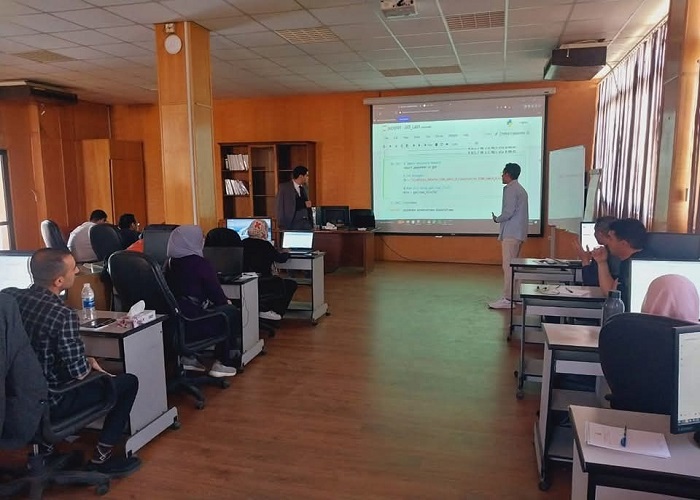
– This is supported by the Center’s fully equipped artificial intelligence laboratory with the latest technologies and advanced devices, providing a practical training environment that enhances trainees’ capabilities and supports the development of their skills to meet work requirements and achieve the highest levels of excellence and innovation.
– In a supportive step, the Regional Training Center created a preliminary prototype inside the Center’s artificial intelligence laboratory to simulate one of the lifting stations, aimed at practical training and enhancing understanding of smart system integration techniques.
– The Center also presents a series of distinguished applied projects as learning outcomes from artificial intelligence courses and technical courses.
– 14 training programs were implemented either in-person or through the educational platform (online-offline) with the participation of 244 trainees from various Ministry entities.
7. Regional Activities and Female Participation
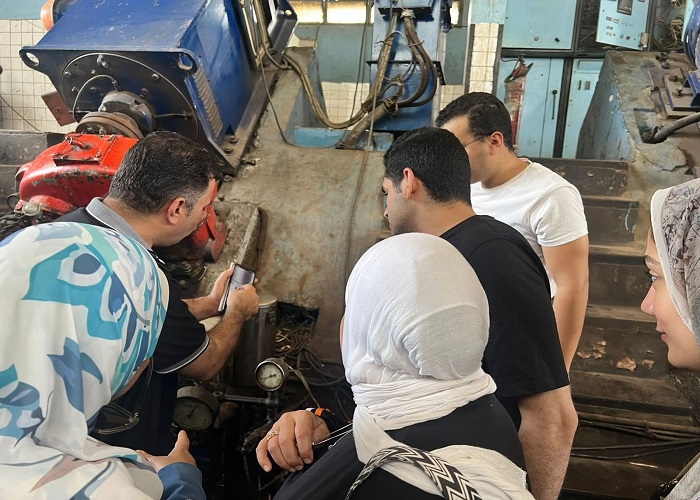
The regional training programs implemented during the period from July to December 2025 witnessed notable female participation, with a total of approximately (100) female participants from various countries and different governorates inside Egypt. This reflects the commitment to empowering women and providing equal opportunities in the fields of water, irrigation, and climate change. This representation is evidence of the direction toward promoting gender equality and encouraging the participation of female cadres in training and research activities, contributing to raising their scientific and practical efficiency and supporting sustainable development efforts.