Desalination and Rainwater Harvesting Top the Priorities
for Non-Conventional Water Resources in Egypt under the RESWATER Project
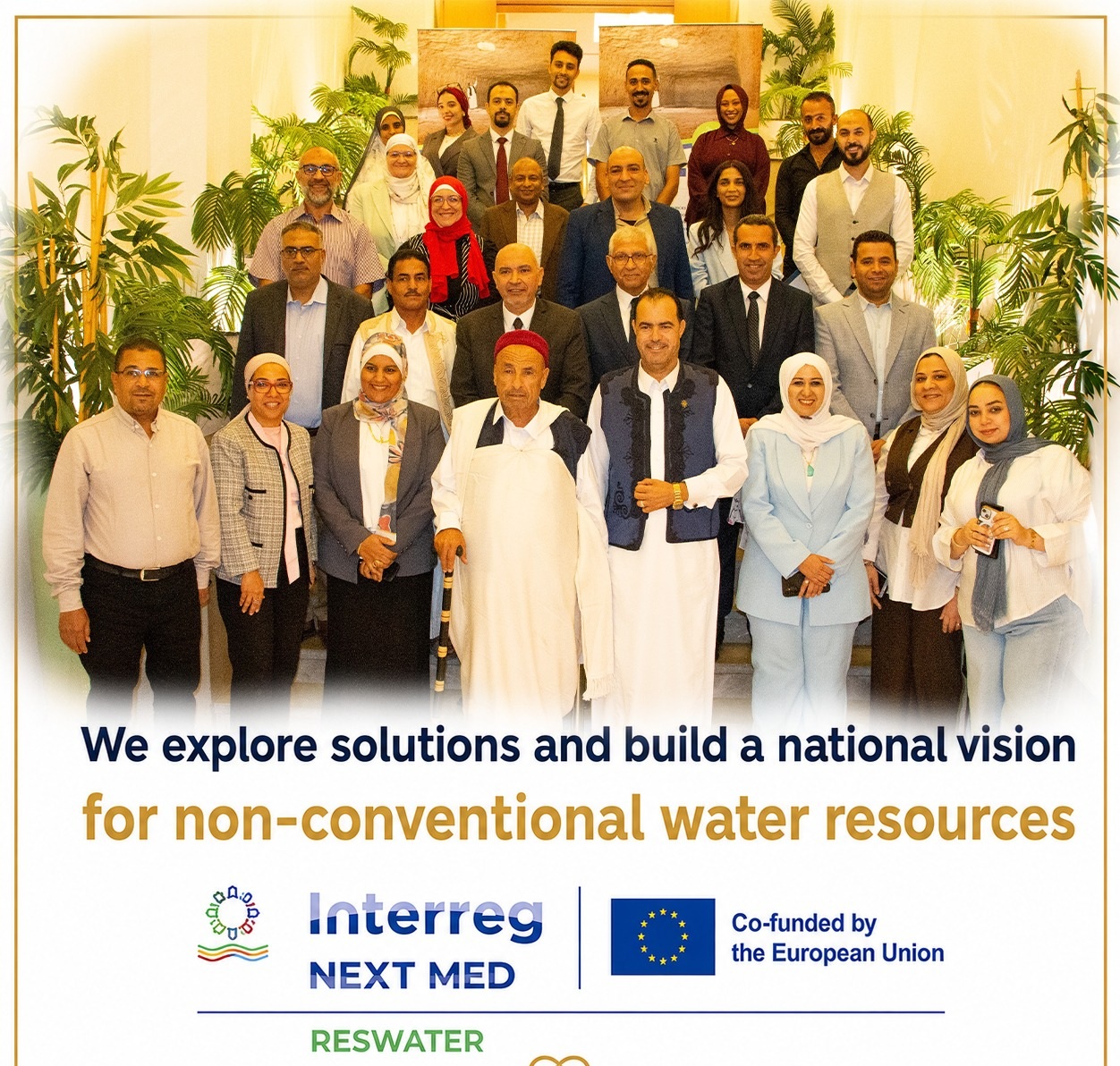
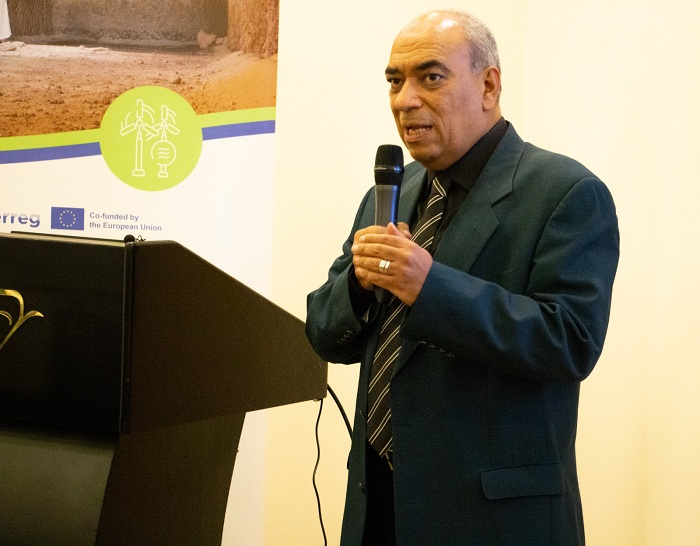
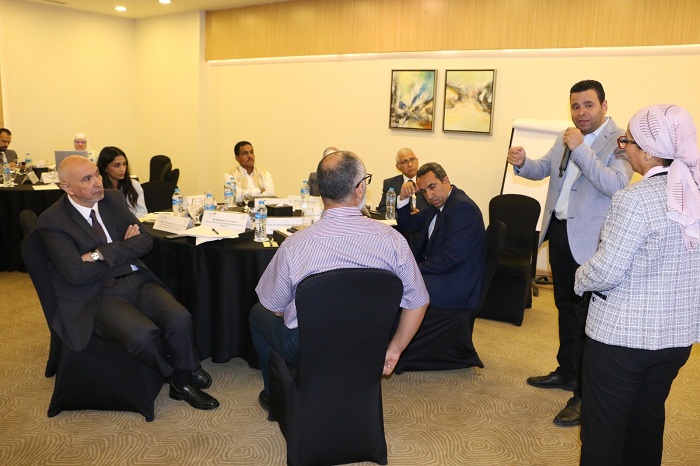
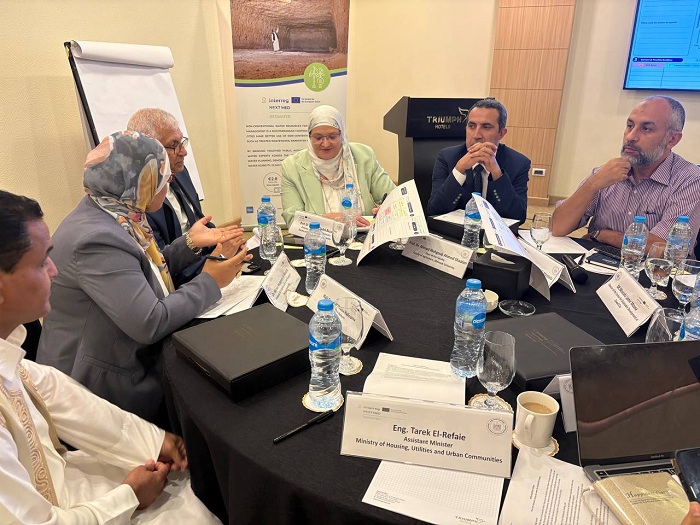
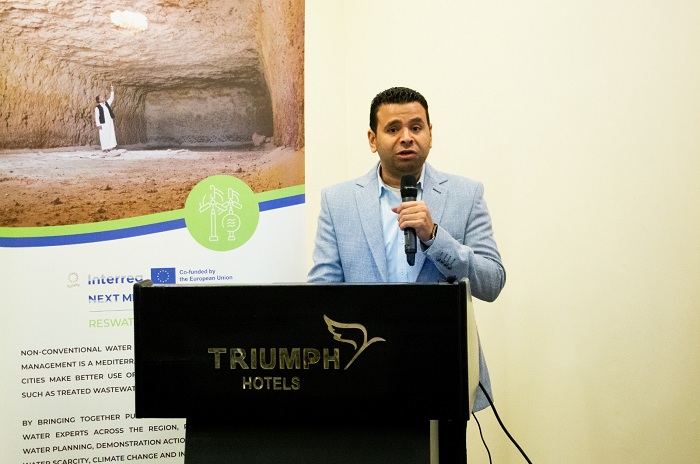
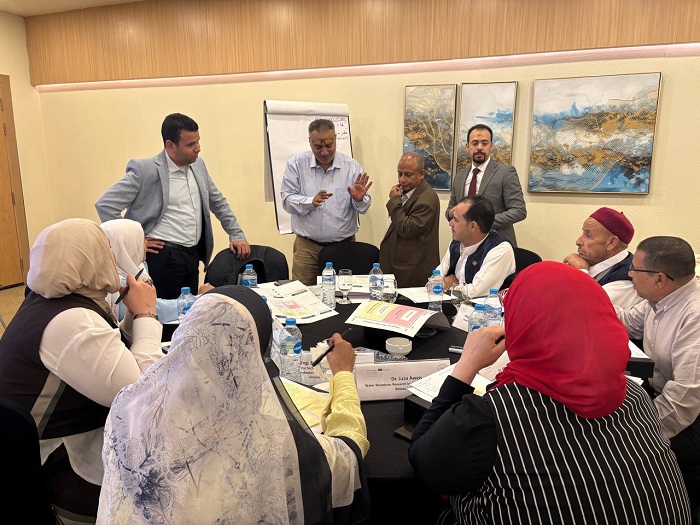
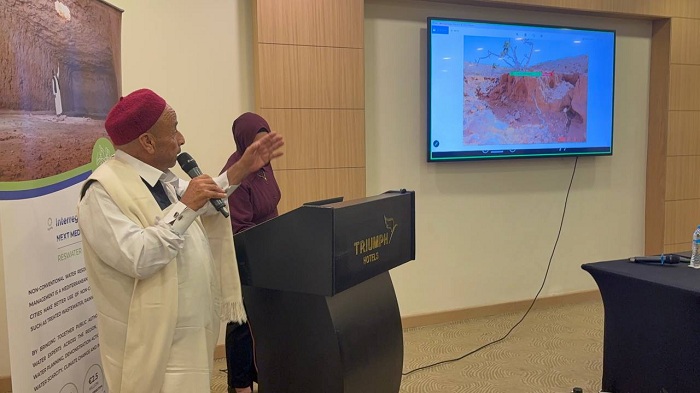
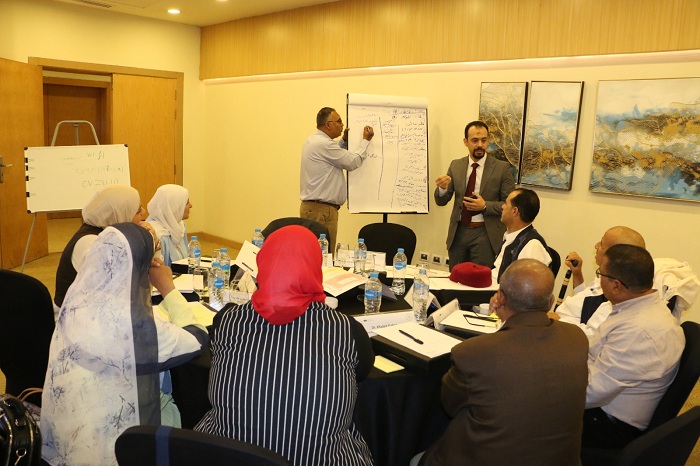
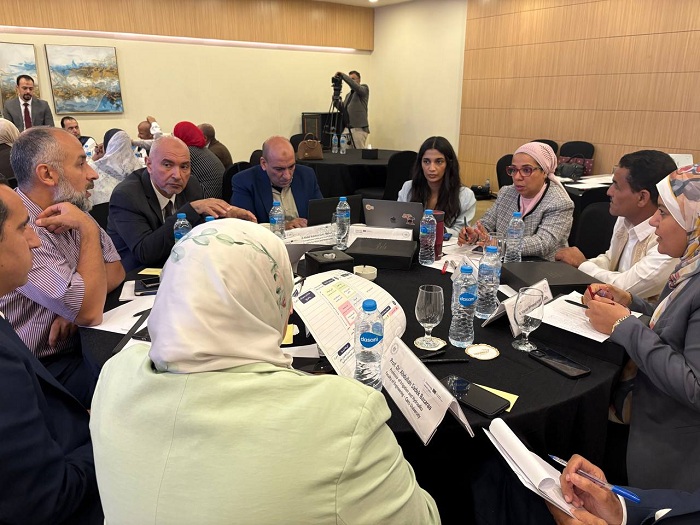
The RESWATER Project, funded by the Interreg NEXT MED Programme, held the first National Living Lab, with broad participation from representatives of governmental, academic and research institutions, the service sector, and local communities, to discuss priorities for non-conventional water resources in Egypt and explore opportunities to apply solutions that are appropriate to national conditions and needs
The organization of the Living Lab comes under Work Package 4 of the project, which aims to enhance the effective engagement of stakeholders and facilitate the exchange of expertise and knowledge, contributing to the assessment of available technologies and solutions in the field of non-conventional water resources and shaping the Egyptian perspective on their priorities and application opportunities
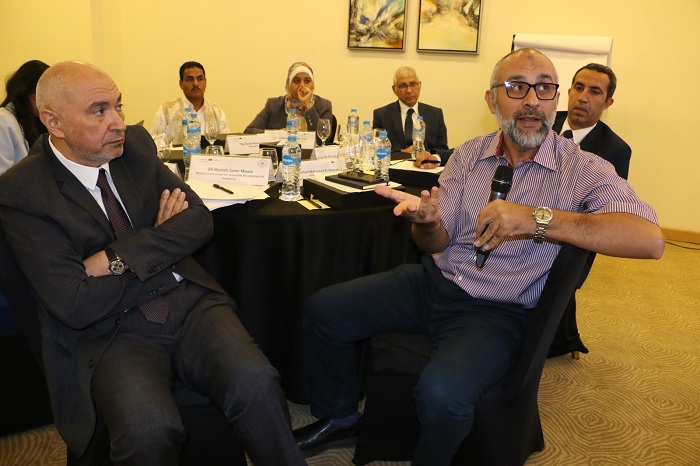
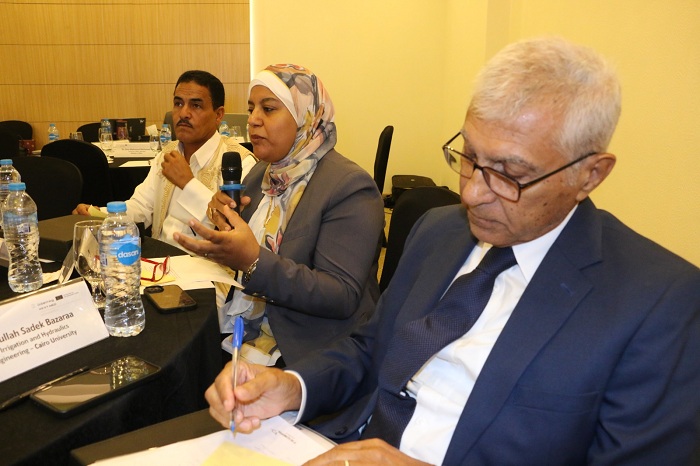
The discussions went beyond reviewing available technologies, extending to assessing their suitability to local conditions and needs, their level of technological maturity, their applicability and scalability, and the technical, institutional, and regulatory requirements needed to move them from the pilot stage to actual implementation
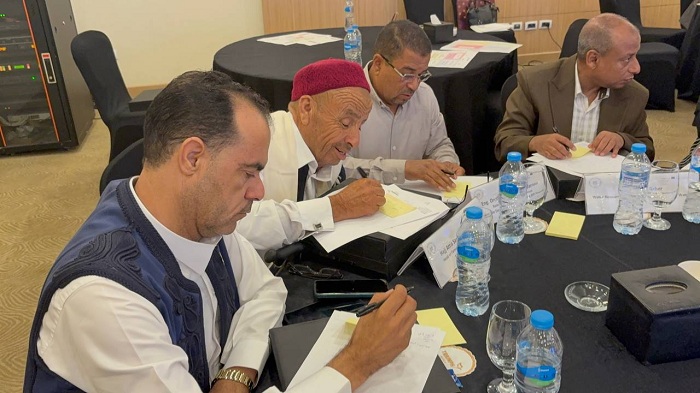
The Living Lab brought together representatives from entities affiliated with the Ministry of Water Resources and Irrigation, universities and academic institutions, the National Water Research Center, entities concerned with the housing sector, the Holding Company for Water and Wastewater, as well as representatives of local communities in Matrouh Governorate, which hosts the RESWATER pilot area in Egypt, along with a number of experts and specialists
The participation of these diverse stakeholders reflected the participatory approach adopted by the Living Lab, providing an opportunity to bring together institutional expertise, scientific knowledge, practical experience, and local needs, thereby supporting a more comprehensive understanding of the opportunities and challenges associated with the application of non-conventional water resources. The participation of representatives from local communities in Matrouh Governorate also highlighted the importance of integrating local knowledge and the needs of beneficiary communities into the process of assessing the proposed solutions
The discussions concluded that desalination and rainwater harvesting are among the key priority areas for non-conventional water resources in the Egyptian context, while emphasizing the importance of continuing to assess other technologies and solutions according to the nature of each area, its needs, and the potential for their application and scaling up
Participants also discussed the main challenges that may face the implementation of these solutions, as well as the requirements needed to enhance their viability and scalability, including technical, institutional, regulatory, and economic aspects, and the importance of creating an enabling environment for the application of solutions that are most suitable to the Egyptian context
The first Living Lab represents the first meeting in a series of three national Living Labs organized by the RESWATER Project. The discussions and outputs generated during this meeting will serve as a basis for the upcoming two Living Labs, allowing for a gradual transition from identifying priorities to deepening the assessment of solutions and exploring the requirements for their implementation and scaling up
The outputs of the national Living Labs are expected to contribute to the development of the Egyptian perspective on non-conventional water resources and the sharing of national insights and expertise within the project’s Community of Practice, supporting knowledge exchange among partners and stakeholders across Mediterranean countries and contributing to the development of a shared Mediterranean vision for enhancing the resilient and sustainable management of non-conventional water resources
The organization of these Living Labs reflects the RESWATER Project’s commitment to adopting a participatory approach to the development of non-conventional water resource solutions, bringing together scientific knowledge, institutional expertise, and local needs, thereby enhancing opportunities to develop realistic, applicable, and scalable solutions and supporting efforts to strengthen the resilience of water systems in addressing future challenges
تحلية المياه وحصاد مياه الأمطار تتصدران أولويات الموارد المائية
غير التقليدية في مصر ضمن مشروع RESWATER
شهد مشروع RESWATER، الممول من برنامج Interreg NEXT MED، انعقاد المختبر التفاعلي الوطني الأول (Living Lab)، بمشاركة واسعة من ممثلي الجهات الحكومية والأكاديمية والبحثية والقطاع الخدمي والمجتمع المحلي، لمناقشة أولويات الموارد المائية غير التقليدية في مصر، واستكشاف فرص تطبيق الحلول المناسبة للظروف والاحتياجات الوطنية.
ويأتي تنظيم المختبر ضمن حزمة العمل الرابعة للمشروع، التي تستهدف تعزيز المشاركة الفعالة لأصحاب المصلحة وتبادل الخبرات والمعارف، بما يسهم في تقييم التقنيات والحلول المتاحة في مجال الموارد المائية غير التقليدية، وبلورة وجهة النظر المصرية بشأن أولوياتها وفرص تطبيقها.
ولم تقتصر المناقشات على استعراض التقنيات المتاحة، وإنما امتدت إلى تقييم مدى ملاءمتها للظروف والاحتياجات المحلية، ومستوى نضجها التكنولوجي، وقابليتها للتطبيق والتوسع، والمتطلبات الفنية والمؤسسية والتنظيمية اللازمة لانتقالها من نطاق التجربة إلى الاستخدام الفعلي.
وشهد المختبر مشاركة ممثلين عن الجهات التابعة لوزارة الموارد المائية والري، والجامعات والأوساط الأكاديمية، والمركز القومي لبحوث المياه، والجهات المعنية بقطاع الإسكان، والشركة القابضة لمياه الشرب والصرف الصحي، إلى جانب ممثلي الأهالي بمحافظة مطروح، التي تحتضن المنطقة التجريبية لمشروع RESWATER في مصر، وعدد من الخبراء والمتخصصين.
وعكست مشاركة مختلف هذه الأطراف طبيعة النهج التشاركي الذي يتبناه المختبر، حيث أتاح اللقاء الجمع بين الخبرة المؤسسية والمعرفة العلمية والخبرة العملية والاحتياجات المحلية، بما يدعم الوصول إلى فهم أكثر شمولًا للفرص والتحديات المرتبطة بتطبيق الموارد المائية غير التقليدية. كما عكست مشاركة ممثلي الأهالي بمحافظة مطروح أهمية دمج الخبرة المحلية واحتياجات المجتمعات المستفيدة ضمن عملية تقييم الحلول المقترحة.
وخلصت المناقشات إلى اعتبار تحلية المياه وحصاد مياه الأمطار من أبرز محاور الموارد المائية غير التقليدية ذات الأولوية في السياق المصري، مع التأكيد على أهمية مواصلة تقييم مختلف التقنيات والحلول الأخرى وفقًا لطبيعة المناطق واحتياجاتها وإمكانات التطبيق والتوسع.
كما ناقش المشاركون أبرز التحديات التي قد تواجه تطبيق هذه الحلول، إلى جانب المتطلبات اللازمة لتعزيز جدواها وقابليتها للتوسع، بما يشمل الجوانب الفنية والمؤسسية والتنظيمية والاقتصادية، وأهمية تهيئة البيئة الداعمة لتطبيق الحلول الأكثر ملاءمة للسياق المصري.
ويمثل المختبر التفاعلي الأول الاجتماع الأول ضمن سلسلة من ثلاثة مختبرات وطنية ينظمها مشروع RESWATER، على أن تُبنى النقاشات والمخرجات المتحققة في هذا اللقاء خلال المختبرين القادمين، بما يسمح بالانتقال تدريجيًا من تحديد الأولويات إلى تعميق تقييم الحلول واستكشاف متطلبات تطبيقها والتوسع فيها.
ومن المنتظر أن تسهم مخرجات المختبرات الوطنية التفاعلية في إعداد وجهة النظر المصرية بشأن الموارد المائية غير التقليدية، ومشاركة الرؤى والخبرات الوطنية ضمن مجتمع الممارسة بالمشروع، بما يدعم تبادل المعرفة بين الشركاء وأصحاب المصلحة في دول البحر المتوسط والمساهمة في بلورة رؤية متوسطية مشتركة لتعزيز الإدارة المرنة والمستدامة للموارد المائية غير التقليدية.
ويعكس تنظيم هذه المختبرات توجه مشروع RESWATER نحو تبني نهج تشاركي في تطوير حلول الموارد المائية غير التقليدية، يجمع بين المعرفة العلمية والخبرة المؤسسية والاحتياجات المحلية، بما يعزز فرص تطوير حلول واقعية وقابلة للتطبيق والتوسع، ويدعم جهود تعزيز مرونة المنظومات المائية في مواجهة التحديات المستقبلية.